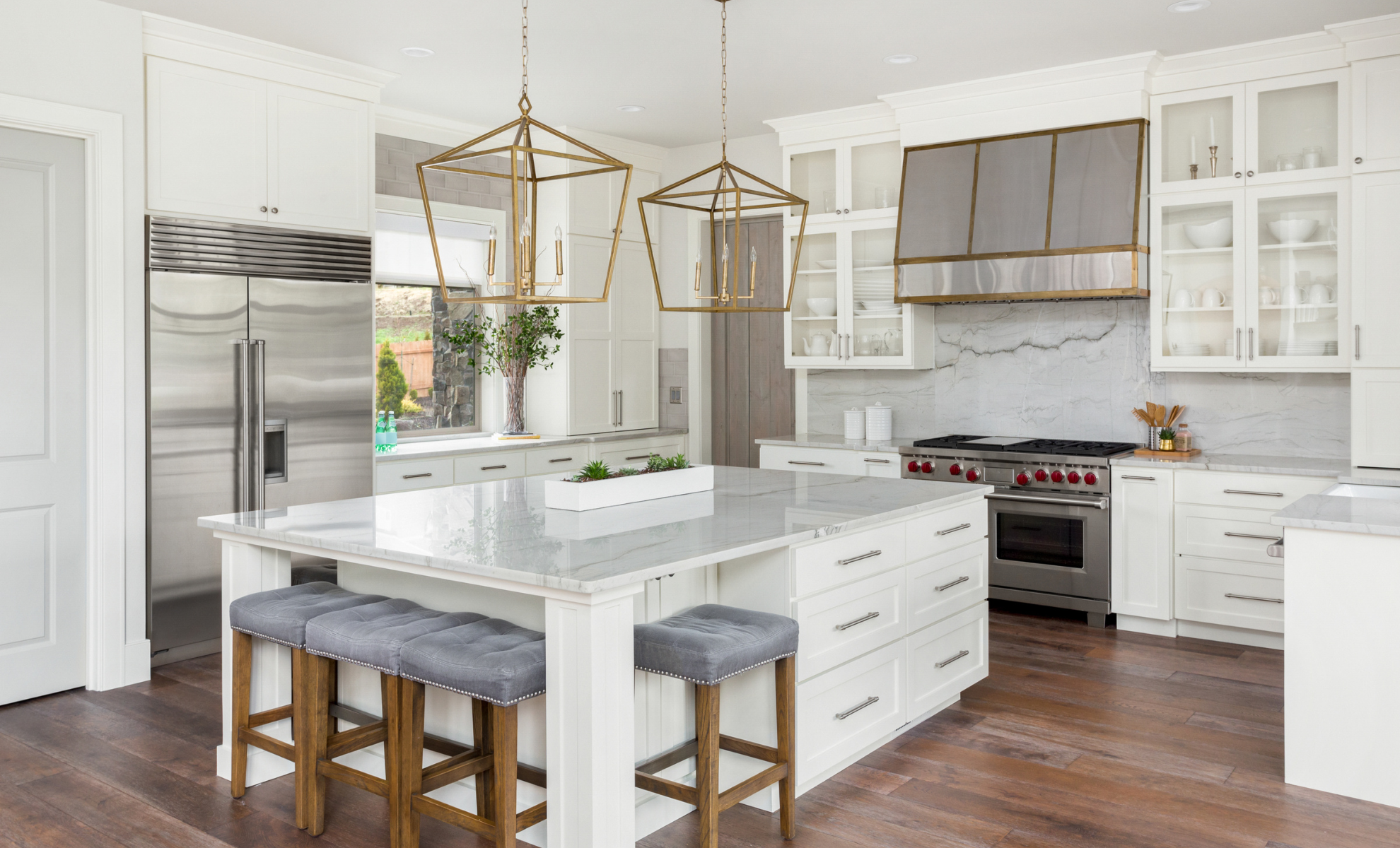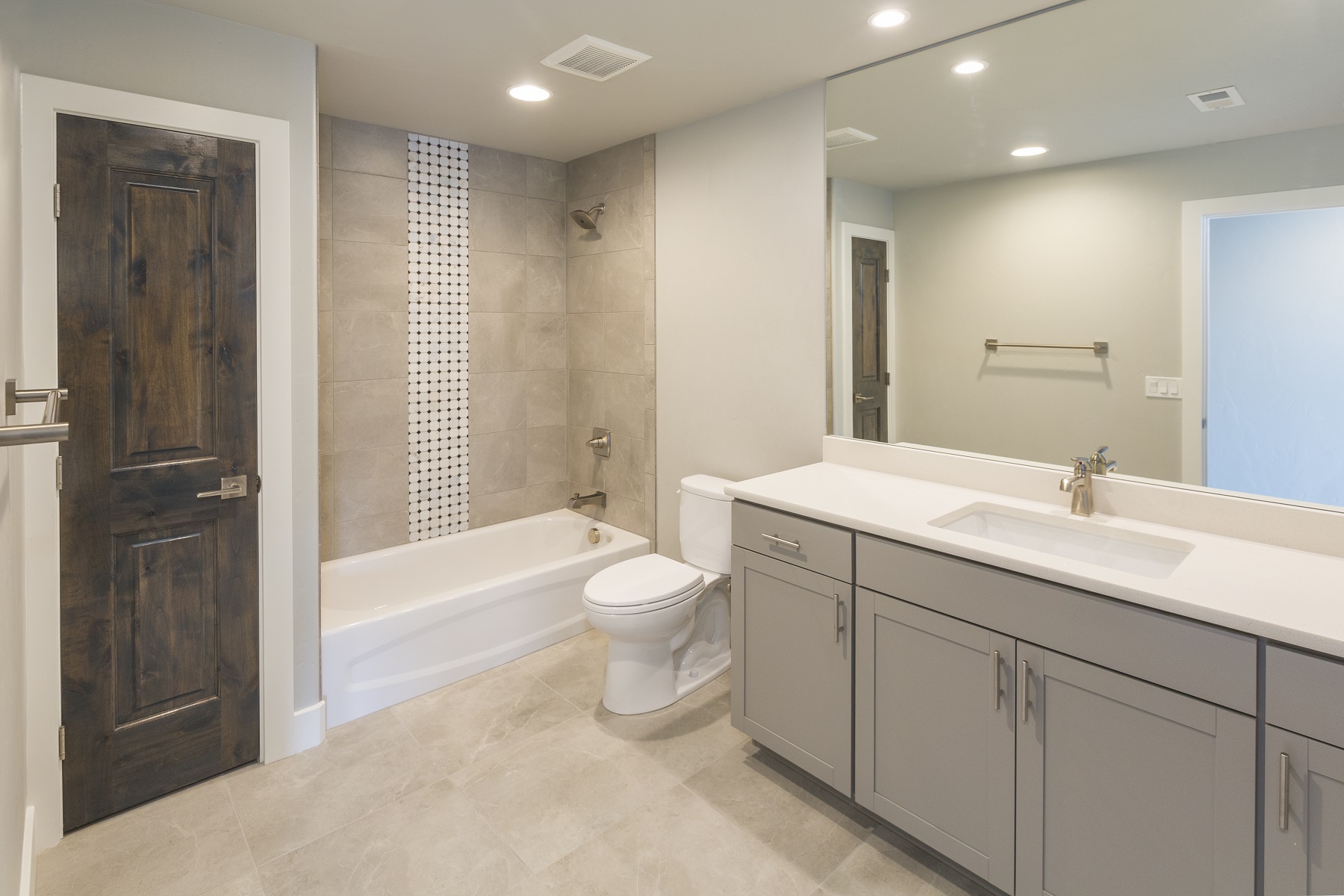



Proud of your kitchen and bath that’s been with you through the years? That’s great! It means you’ve taken good care of these important spaces. Still, everything has its season, and your outdated bathroom might be ready for its next chapter. The cracked tiles, outdated fixtures, and inefficient layout are all signs it’s time for a refresh that matches your current lifestyle and home aesthetic.
But what does a bathroom renovation actually cost? Getting a clear picture of bathroom remodeling cost helps you make smart decisions about your upcoming project. That’s why we put together this straightforward guide to bathroom renovation costs in 2026.
Introduction to Bathroom Remodeling
Bathroom remodeling is a significant investment for homeowners, with the average bathroom remodel cost ranging from $5,000 to $50,000 or more, depending on the scope and complexity of the project. A well-planned bathroom remodel can increase the value of a home, improve its functionality, and enhance the overall quality of life for its occupants. When considering a bathroom remodel, it’s essential to understand the various factors that influence bathroom remodeling costs, including labor costs, material and labor costs, and the size of the bathroom. A primary bathroom or full bathroom remodel can be a costly endeavor, but with careful planning and budgeting, homeowners can achieve their desired outcomes while minimizing costs.
Overview of Bathroom Remodel Cost
Ready to dive into the numbers? According to the latest data from Angi, the normal range for bathroom remodeling costs in 2026 falls between $6,639 and $17,621, with the national average sitting at approximately $12,120. These figures represent the typical investment homeowners make when updating their washrooms, powder rooms, and primary baths across the country. Accurate cost data is essential for homeowners to make informed decisions about their bathroom remodels.
The final price tag for your bathroom renovation project depends on numerous factors, including room size, material quality, fixture selection, and whether you’re keeping the existing layout or completely reconfiguring the space; keeping the same layout can save thousands of dollars and lower the total cost. Location also plays a significant role, as labor rates vary dramatically from one region to another, and permits and inspections may add to the total cost of a bathroom remodel.
Bathroom Remodel Cost Factors
Several factors contribute to the overall cost of a bathroom remodel, including the size of the bathroom, the type of materials used, and the complexity of the project. Homeowners should consider these factors when creating a realistic budget for their bathroom remodel, taking into account the cost per square foot and the potential return on investment (ROI) of their project.
Low-end Bathroom Remodel
Not every bathroom refresh needs to break the bank! A budget-friendly bathroom makeover typically costs between $3,000 and $7,000, covers the basic costs homeowners should plan for, and focuses on cosmetic updates rather than major structural changes. These wallet-conscious renovations often include:
Refinishing or repainting existing fixtures
Installing new shower curtains and bathroom accessories
Updating light fixtures and hardware
Replacing the toilet seat or installing a new basic toilet
Refreshing grout and caulking
Adding a fresh coat of paint to walls and cabinets
Installing peel-and-stick backsplash tiles or vinyl flooring
Installing a new vanity
Choosing stock fixtures and materials helps keep this type of remodel budget-friendly compared with custom options.
These affordable upgrades can dramatically transform your bathroom’s appearance without the hefty price tag of a complete overhaul. Many savvy homeowners mix DIY projects with targeted professional help to maximize their renovation budget and breathe new life into tired bathroom spaces.
High-end Bathroom Remodel
For those seeking luxury and premium amenities, upscale bathroom renovations typically range from $18,000 to $40,000+, with master bathroom suites easily exceeding $50,000. These lavish transformations turn ordinary bathrooms into spa-like retreats featuring:
Custom-designed shower enclosures with multiple showerheads
Freestanding soaking tubs or whirlpool jetted tubs
High-end natural stone tilework (marble, travertine, or quartz)
Custom solid wood cabinetry with soft-close features
Heated flooring systems for year-round comfort
Smart toilets with bidet functions and automatic features are among the higher end models available
Programmable lighting systems and built-in audio
Steam shower installations
Custom storage solutions and built-ins
Designer fixtures and hardware in premium finishes
Custom designs for cabinets and fixtures
These luxury bathroom renovations often incorporate universal design principles and aging-in-place features that enhance accessibility while maintaining sophisticated aesthetics. While the investment is substantial, high-end bathroom remodels provide unparalleled comfort and typically return 55-65% of their cost in increased home value.
DIY Bathroom Redo
Taking the do-it-yourself route for your bathroom update can slash labor costs by 40-60%, bringing a basic bathroom refresh into the $1,500 to $5,000 range. Popular DIY bathroom projects include:
Painting walls, ceilings, and cabinets
Installing new faucets and showerheads
Updating light fixtures and mirrors
Replacing cabinet hardware and towel bars
Installing new toilet seats or basic toilets
Adding shelving and storage solutions
Applying new caulk around fixtures
Installing peel-and-stick floor tiles or vinyl planks
Remember that while DIY can save money, mistakes or uncovered hidden damage can increase renovation costs substantially, so certain aspects of bathroom renovation should be left to licensed professionals, particularly plumbing relocations, electrical work, and structural modifications. Many homeowners find success with a hybrid approach. Tackling cosmetic changes themselves while bringing in experts for specialized work to ensure code compliance, proper installation, and avoid extra repair costs.
What’s the Breakdown of Bathroom Remodel Costs?
Understanding how your renovation budget gets allocated helps you make informed decisions about where to splurge and where to save. Here’s a detailed breakdown of bathroom remodeling expenses:
Shower Room
The shower or tub area typically consumes 15-25% of your total bathroom renovation budget. Standard prefabricated shower installations start around $1,200 to $2,800, while custom tile showers range from $3,500 to $7,000+ depending on size and materials.
Replacing an old bathtub with a new tub can significantly enhance the functionality and aesthetics of your bathroom.
Cost of Converting Tub To Shower
Transforming an old tub into one of today’s popular walk-in showers costs between $2,000 and $4,500 on average. This popular conversion adds functionality while potentially increasing usable space. Factors affecting conversion costs include changing the floor plan or moving plumbing beyond the existing footprint, as well as:
Plumbing modifications
Shower base type (prefab or custom tile)
Door style (frameless glass doors cost more than curtains)
Accessibility features like grab bars or bench seating
Waterproofing requirements
Cost of Personalized Shower Room
Creating a custom shower sanctuary ranges from $3,800 to $10,000+ depending on size, materials, and features. Personalized options include:
Multiple showerheads and body sprays ($500-$1,200 extra)
Built-in shelving and niches ($300-$600 per niche)
Custom tile patterns and accent walls ($2,000-$4,000), including affordable classics like subway tile used in higher-end layouts
Bench seating ($500-$900)
Steam shower capabilities ($2,000-$4,000 additional)
Digital shower controls ($800-$1,600)
Bathroom Countertops
Countertop expenses typically account for 7-10% of your bathroom renovation budget, with costs varying dramatically based on material choice and size requirements.
Labor
Professional countertop installation runs between $300 and $1,000 depending on complexity, with additional charges for sink cutouts, edge treatments, and backsplash installation.
Countertop Material
Countertop prices vary depending on the material selected, and material quality can significantly affect bathroom renovation costs. Material costs per square foot vary widely:
Laminate: $25-$40 per square foot installed
Solid surface (Corian): $55-$80 per square foot installed
Quartz: $65-$120 per square foot installed
Granite: $60-$110 per square foot installed
Marble: $75-$150 per square foot installed
Most bathroom vanities require 4-8 square feet of countertop material, though double vanities and extended countertop areas can double or triple this requirement.
Bathroom Vanity
Vanity units typically represent 10-20% of total bathroom remodel costs, ranging from $500 to $3,600+ depending on size, style, and quality. Adding a medicine cabinet above or beside the vanity is also a common upgrade that can improve storage.
Ready to Assemble Cabinets
Budget-friendly RTA (ready-to-assemble) vanities start around $200-$600 for basic models and offer significant savings compared to custom cabinetry. These units come flat-packed and require assembly but provide modern styling at accessible price points.
Double Vanity
Upgrading to a double vanity, one of the key features in bathroom design, costs between $1,000 and $3,800 for the cabinet alone, plus additional expenses for the expanded countertop, dual sinks ($200-$500 each), and extra faucets ($80-$400+ each). Though pricier upfront, double vanities add considerable functionality for shared bathrooms and boost resale appeal.
New Toilet
Toilet replacement, including the installation of a new toilet, typically represents 3-5% of your bathroom renovation budget, with various styles offering different features and price points.
One-piece Toilet
One-piece toilets range from $250 to $800+ and feature seamless construction that eliminates the gap between tank and bowl. These models are easier to clean and often more streamlined in appearance than their two-piece counterparts.
Two-piece Toilet
The traditional two-piece toilet design costs between $150 and $500 for standard models, making them the most budget-friendly option. While less expensive, these toilets have a seam between tank and bowl that can collect dirt and moisture over time.
High-tank Toilets
Vintage-inspired high-tank toilets with wall-mounted tanks and pull chains cost between $600 and $1,200, offering nostalgic charm for period-appropriate bathroom designs.
Integrated Toilets
Smart toilets and integrated systems range from $1,000 to $7,000+ and include features like:
Heated seats
Built-in bidets
Automatic flushing
Self-cleaning functions
Nightlights
Deodorizers
Bluetooth connectivity
These high-tech options represent the cutting edge of bathroom comfort but require both substantial investment and often specialized installation.
Bathroom Flooring
Flooring typically consumes 7-10% of your bathroom renovation budget, with installation costs ranging from $7 to $25+ per square foot depending on material choice. Popular bathroom flooring options include:
Ceramic tile: $7-$15 per square foot installed
Porcelain tile: $10-$18 per square foot installed
Vinyl plank or sheet: $7-$12 per square foot installed
Natural stone: $15-$35 per square foot installed
Engineered wood: $10-$15 per square foot installed
For added luxury and comfort, heated floor systems add $12-$20 per square foot to your flooring costs but provide exceptional comfort during colder months.
Updating the Wall, Ceiling, and Doors
Wall and ceiling treatments typically represent 5-10% of your bathroom remodeling budget, with costs varying based on material selection and room size.
Door Size
Standard bathroom doors (30″ to 32″ wide) cost $150-$400 for the door itself, plus $100-$300 for installation. Wider accessible doors (36″) or pocket doors may cost $300-$800+ depending on framing requirements and door quality.
Door Handles
Bathroom door hardware ranges from $20 to $300+ based on finish, style, and locking mechanism. Popular finishes include chrome, brushed nickel, matte black, and brass, with each offering different price points and maintenance requirements.
Door Material
Door material options include:
Hollow core ($50-$150): Budget-friendly but less durable and sound-resistant
Solid core ($150-$300): Better sound insulation and durability
Solid wood ($300-$800+): Premium appearance and excellent longevity
Glass or frosted glass ($500-$1,200+): Modern appearance that maximizes light flow
Door Locks
Bathroom privacy locks range from $30 to $150 depending on style and finish, with simple turn-button locks on the lower end and stylish lever handles with integrated locks commanding higher prices.
Cost of Electrical Works
Electrical updates typically account for 5-7% of bathroom remodeling expenses, with costs for:
New light fixtures: $100-$400+ each installed
Exhaust fan installation: $250-$500
GFCI outlet installation: $150-$250 per outlet
Wiring for heated floors: $300-$600
Lighting controls/dimmers: $150-$350
For extensive electrical changes or panel upgrades, budget an additional $1,000-$2,500 depending on your home’s existing electrical infrastructure.
Cost of New Pipes
Plumbing work typically represents 10-15% of bathroom renovation costs, with expenses varying based on the extent of changes required:
Minor plumbing repairs: $300-$800
Fixture relocation: $1,000-$3,000 per fixture
Complete replumbing: $2,500-$5,000+
Drain line modifications: $500-$1,200
Older homes often require additional plumbing investment to address outdated pipes, improper venting, or insufficient water pressure issues.
Area
The physical size or square footage of your bathroom dramatically impacts overall renovation costs:
Powder room (15-30 sq ft): $2,500-$6,000
Small bathroom (30-60 sq ft): $6,500-$12,000
Standard bathroom (60-100 sq ft): $10,000-$18,000
Master bathroom (100-200+ sq ft): $15,000-$40,000+
As bathroom size increases, material quantities, labor hours, and fixture requirements all grow proportionally, driving up the total cost of the job.
Types of Bathroom Remodels
Different bathroom types and renovation approaches come with distinct cost considerations:
Half Bath
Also called powder rooms, these small spaces contain only a toilet and sink, typically measuring 15-30 square feet. Renovating a half bath costs between $2,500 and $6,000 on average and focuses primarily on cosmetic updates rather than extensive plumbing work.
Wet Room
Transforming a standard bathroom into an open-concept wet room costs between $10,000 and $20,000, requiring specialized waterproofing, drainage solutions, and careful planning. These barrier-free designs eliminate the traditional shower enclosure, with the entire room waterproofed and sloped toward a central drain.
Small Bathroom
Compact bathroom renovations (30-60 square feet) typically cost $6,500 to $12,000 and require creative space-maximizing solutions like:
Corner sinks
Floating vanities
Clear glass shower doors
Recessed medicine cabinets
Wall-mounted toilets
Pocket doors
Strategic planning helps make these smaller spaces feel larger while maintaining functionality.
Standard Full Bathroom Renovation
Updating a standard full bathroom (containing toilet, sink, and shower/tub combination) typically costs $10,000 to $18,000 for a complete full remodel, though this scope often overlaps with a midrange bathroom remodel that generally costs $15,000 to $35,000. The average cost for that level of renovation is about $26,138. These projects often include:
New tile surrounds
Updated vanity and countertop
Fresh flooring
New fixtures throughout
Paint and lighting updates
Improved ventilation
Energy Efficiency
Incorporating energy-efficient features into a bathroom remodel can help homeowners save money on their utility bills and reduce their environmental impact. Installing low-flow toilets, shower heads, and faucets can conserve water and reduce energy consumption. Additionally, using energy-efficient lighting, such as LED light fixtures, can also help reduce energy costs. Homeowners can also consider installing a tankless water heater or a heat pump water heater to further reduce their energy consumption. By incorporating these energy-efficient features, homeowners can create a more sustainable and cost-effective bathroom while also enhancing its overall functionality and aesthetic appeal.
What Are Other Things to Consider?
Beyond the basic renovation components, several additional factors impact your bathroom remodel budget:
Cost of Hiring a Contractor
Professional bathroom remodeling contractors, also known as general contractors, typically charge between $50 and $85 per hour for labor, and contractor rates plus project management fees vary depending on the scope of the bathroom remodel. While this represents a significant expense, experienced contractors provide value through:
Code-compliant installation
Proper waterproofing techniques
Coordinated scheduling of subcontractors
Material selection guidance
Problem resolution when unexpected issues arise
Warranty protection
Getting estimates from Mega Kitchen & Bath and other contractors helps homeowners compare scope, service, and price.
For complex bathroom renovations, working with a qualified general contractor often prevents costly mistakes and ensures quality results.
Plan for Expansion
Expanding into a larger floor plan or moving walls can add $7,000 to $15,000+ to your bathroom remodeling cost, depending on:
Structural wall modifications
Extended plumbing and electrical
Additional flooring and drywall
Permit requirements
HVAC adjustments
Building or site access issues in a condo, rowhome, or tight city house
While expensive, expansion can transform a cramped bathroom into a comfortable retreat with room for desired amenities like separate shower and tub facilities or double vanities, and the added space can make a big difference in daily living and comfort.
Quality of Materials
Material selection significantly impacts both initial costs and long-term satisfaction:
Budget materials provide functional solutions at the lowest price point but may have shorter lifespans and limited style options.
Mid-range materials balance cost and quality, offering good durability and expanded design choices for most homeowners; mid range bathroom remodels often yield about 70-80% ROI.
Premium materials command higher prices but deliver superior performance, distinctive aesthetics, and potentially longer lifespans that may justify their increased cost over time.
Homeowners can sometimes recoup up to 80% of remodeling costs, while full-gut renovations often reduce the ROI percentage despite their appeal.
Smart material selection involves investing in quality where it matters most (waterproofing, plumbing fixtures) while finding reasonable compromises in less critical areas.
Remember that your bathroom renovation represents both a financial investment in your property and an investment in your daily comfort and convenience. Careful planning, thoughtful material selection, and quality installation will ensure your newly renovated bathroom provides enjoyment and functionality for years to come!
Bathroom Remodeling Cost in Washington DC
Are you a homeowner from Washington DC thinking about updating your bathroom? Costs in Southern California and Washington DC are often higher than the national average because of labor, permits, and local market conditions, so you’ll want to budget more for your project. Most DC homeowners spend between $8,000 and $22,000 for a standard bathroom renovation. The higher costs come from expensive local labor rates, strict city permits, and the challenges of working in older DC homes. You’ll also pay premium prices for materials due to delivery costs and limited storage space in the city.
Your neighborhood affects the final price too. Areas like Georgetown and Capitol Hill often cost more because of historic home requirements and unique layouts. Don’t forget about permits. DC requires them for most bathroom work, adding $200-$800 to your budget plus inspection fees. Bathroom renovations in DC typically return 65-75% of your investment when you sell, making them a smart choice in the competitive local real estate market.
Tips for Saving on Bathroom Remodel Costs
There are several ways homeowners can save money on their bathroom remodel costs without sacrificing quality or functionality. One approach is to focus on high-impact changes, such as updating the bathroom vanity, installing new lighting fixtures, or adding a new shower head. Homeowners can also shop around for materials, compare prices, and look for sales, which can reduce material costs significantly.
Additionally, considering a mid-range remodel is one example of a balanced approach that can help reduce costs while still achieving a beautiful and functional bathroom. Homeowners can also save money by repurposing existing materials, such as refinishing the bathroom cabinets or reusing the existing bathtub.
Let’s Wrap Up
We hope you had a great time reading through the article. We want you to have the best outcome for your bathroom renovation and help you with your goal of beautifying your home.
Ready to start your bathroom makeover? Mega Kitchen & Bath makes it easy. We handle everything from quick updates to full renovations. Our team works with your budget to create the bathroom you want.
Visit one of our showrooms to explore our extensive selection of fixtures, tiles, and cabinetry, or call us today for a free consultation and estimate. For daily inspiration and to see our latest projects, follow us on Instagram. Your dream bathroom is just one call away!