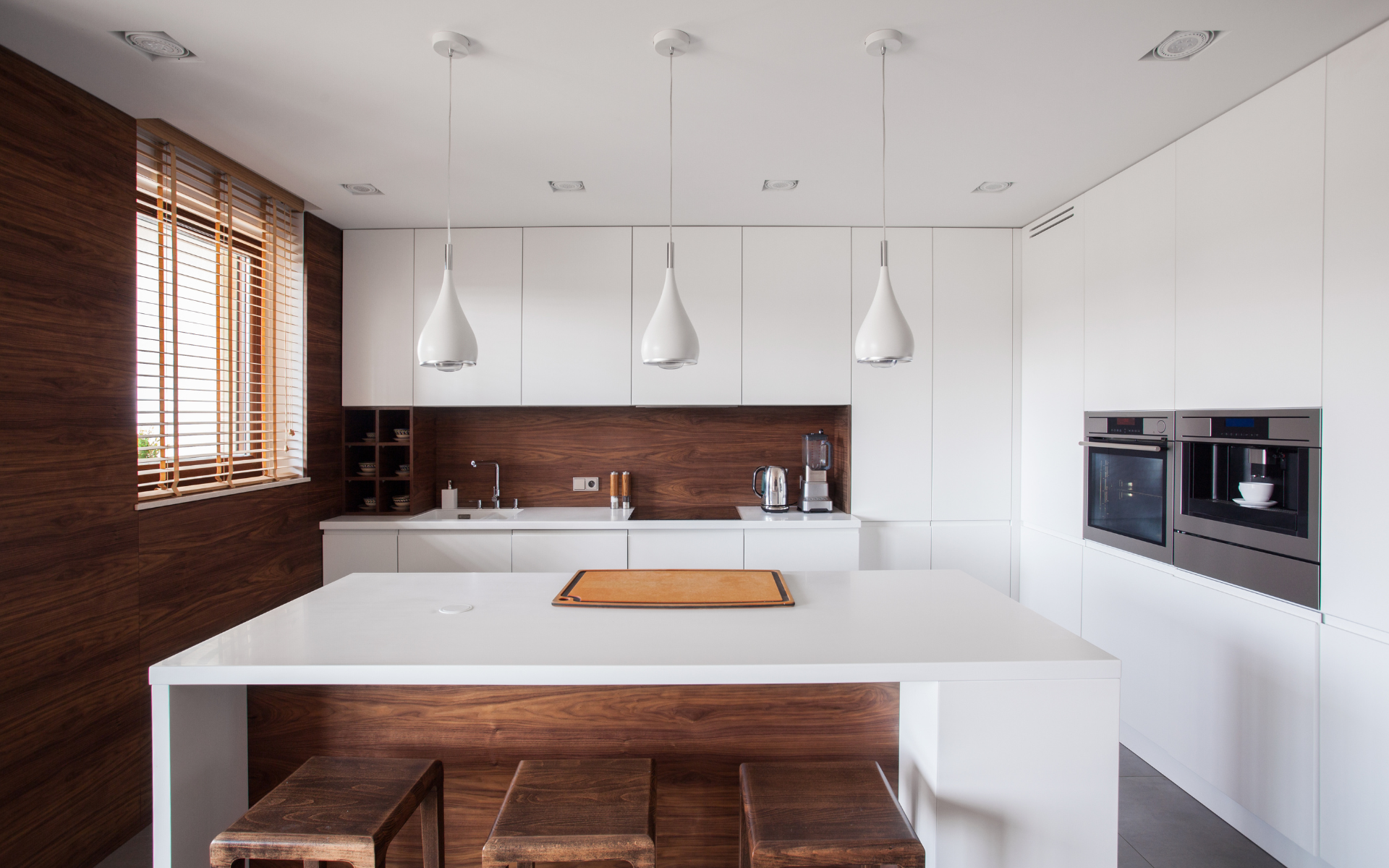


Planning a kitchen renovation? You need to understand kitchen remodeling cost before you start. The average cost for the average kitchen remodel in 2025 ranges from $14,591 to $41,536, with most homeowners spending around $26,974.
In any kitchen remodeling, we can divide the entire project into five main sections: countertops, sinks, cabinets, flooring, and appliances. Aside from that, the cost of the material will greatly depend on its quality, logistics, and dimensions. This complete guide breaks down every expense so you build a realistic budget.
Average Kitchen Remodel Cost Overview
The cost of a kitchen renovation depends on your project scope, materials, and location. Here’s what you should expect:
National Kitchen Remodeling Cost Ranges:
- Low end: $3,500
- Average: $26,974
- High end: $65,774
- Normal range: $14,591 – $41,536
Your kitchen remodel budget will vary based on square foot calculations. Expect to spend between $75 to $250 per square foot when remodeling your space.

Kitchen Remodel Costs by Project Type
Figuring out kitchen remodel cost by project type can help you choose the best option that works for your needs and budget.
Minor Kitchen Remodel ($10,000 – $20,000)
A minor remodel focuses on updates without changing your kitchen’s footprint. This budget-friendly option includes:
- Painting walls for a fresh look
- Refinishing or refacing existing cabinets
- Installing new countertops
- Upgrading lighting fixtures
- Adding a new sink and faucet
- Installing tile backsplash
Labor costs for minor renovations typically account for 25% of your total cost. You save money by keeping the same layout and working with what you have.
Major Remodel ($20,000 – $65,000)
Major renovations involve significant upgrades while maintaining the basic kitchen layout:
- Semi-custom cabinetry with new hardware
- New appliances and energy-efficient options
- High-end flooring materials
- Quality countertops like quartz or granite
- Enhanced lighting systems
- New plumbing fixtures
This level requires more professional contractors and longer timelines. Labor fees increase due to complexity.
Complete Remodel ($65,000 – $130,000+)
A full kitchen remodel means starting fresh. This involves:
- Changing the kitchen’s footprint
- Moving plumbing and electrical systems
- Relocating gas lines
- Custom designs and luxury materials
- High-end smart appliances
- Premium flooring like natural stone
- Complete structural changes
Complete renovations require permits, general contractor management, and interior designer consultation. Project cost includes extensive labor fees and material costs.
Kitchen Remodeling Cost by Component
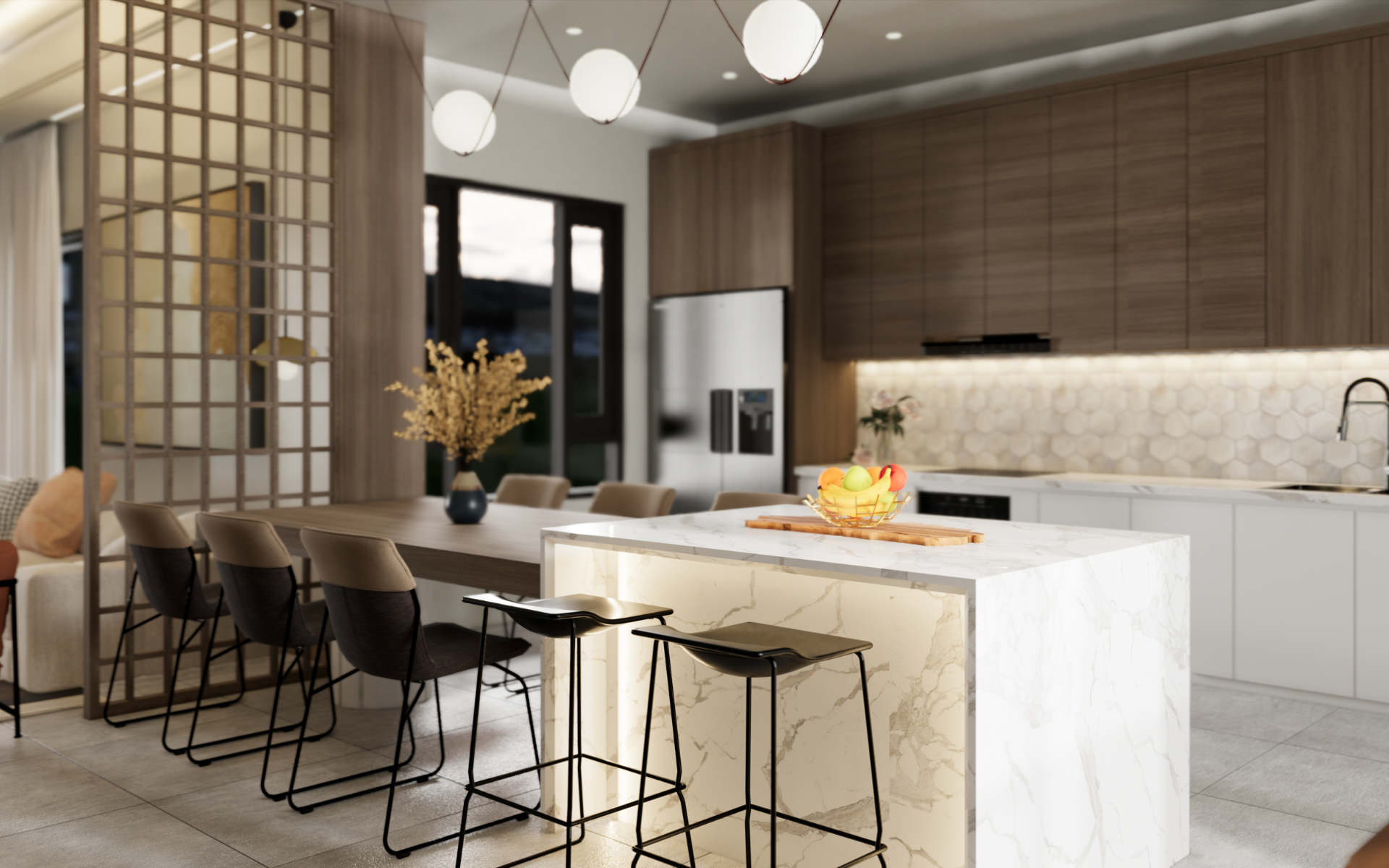
Your kitchen renovation budget splits across several major categories, with each component requiring different investment levels.
Cabinets: The Biggest Expense (30-40% of budget)
New cabinets represent your largest investment. Cabinet prices vary dramatically:
- Stock Cabinets: $100 – $300 per linear foot
- Semi-Custom Cabinets: $150 – $650 per linear foot
- Custom Cabinets: $500 – $1,200 per linear foot
Stock cabinets offer the most affordable entry into new cabinetry. Manufacturers produce these in standard sizes and popular styles, keeping costs low through mass production. Limited customization options mean you work within existing size constraints, but quality has improved significantly in recent years.
Semi-custom cabinets bridge the gap between affordability and personalization. You get more door styles, finish options, and organizational features than stock cabinets. Manufacturers can modify dimensions slightly to fit your space better while maintaining reasonable prices.
Custom cabinets deliver exactly what you envision without compromise. Skilled craftsmen build each piece to your specifications using premium materials. Every detail gets tailored to your needs, from interior organization to hardware selection. Quality construction ensures decades of reliable service.
You cut costs by refinishing existing cabinets instead of replacement. Cabinet refacing costs $4,000 to $9,500, while refinishing runs $1,500 to $4,000.
Countertops: Style Meets Function (10% of budget)
New countertops transform your kitchen’s appearance. Average installation costs range from $1,870 to $4,400.
Popular Countertop Materials and Costs per Square Foot:
- Laminate: $8 – $35
- Ceramic/Porcelain: $1 – $40
- Granite: $10 – $140
- Quartz: $15 – $70
- Marble: $15 – $190
- Soapstone: $20 – $70
- Stainless Steel: $60 – $100
Luxury materials like marble increase overall cost but add significant value. Consider your lifestyle when choosing materials. Busy families might prefer durable quartz over high-maintenance marble.
Appliances: Modern Efficiency (17% of budget)
New appliances bring energy efficiency and modern features. Appliance costs vary by brand, size, and features:
Essential Appliances and Price Ranges:
- Refrigerator: $350 – $5,000+
- Range/Cooktop: $350 – $2,000+
- Dishwasher: $250 – $1,000+
- Microwave: $80 – $300
- Range Hood: $100 – $1,500
Energy-efficient appliances cost more upfront but save money long-term. Energy Star appliances reduce annual energy bills by approximately $450 for the average household.
Bundle appliance purchases for better discounts. Many retailers offer significant rebates when you buy multiple appliances from the same brand.
Flooring: Foundation of Style (7% of budget)
Kitchen floor installation typically costs $1,000 to $4,000, depending on materials and space size.
Budget-Friendly Options:
- Sheet vinyl: $3 per square foot
- Vinyl tile: Less than $1 per square foot
- Luxury vinyl plank: $3 – $7 per square foot
- Laminate: $3 – $10 per square foot
Sheet vinyl provides affordable, water-resistant flooring that works well in kitchens. Modern versions offer realistic wood and stone appearances while maintaining easy maintenance. Installation involves fewer seams than tile options, reducing potential water penetration points.
Vinyl tile offers the lowest material costs while providing design flexibility. Individual tiles allow creative patterns and easy replacement of damaged sections. Newer luxury vinyl tiles include realistic textures and improved durability compared to older versions.
Luxury vinyl plank flooring mimics hardwood appearance while resisting moisture and scratches. Advanced printing technology creates realistic wood grain patterns that fool most observers. These planks install easily over existing floors in many cases, reducing labor costs.
Laminate flooring provides wood and stone looks at affordable prices. Modern laminate resists moisture better than earlier versions, making it suitable for kitchen use. Click-together installation systems enable DIY installation for handy homeowners.
High-End Materials:
- Ceramic tile: $4 – $40 per square foot
- Hardwood: $6 – $22 per square foot
- Natural stone: $6 – $20 per square foot
Durable flooring increases home value. Stone and hardwood offer excellent return on investment but require higher upfront costs.
Backsplash: Personality and Protection (4% of budget)
Backsplash installation ranges from $500 to $1,700, or $15 to $40 per square foot. This project offers excellent DIY potential – you save money by handling installation yourself.
Popular Backsplash Materials:
- Tile: $25 per square foot
- Glass: $30 per square foot
- Stainless steel: $20 per square foot
- Natural stone: $10 – $95 per square foot
Your backsplash should complement new countertops and cabinetry for a cohesive design.
Labor Costs and Professional Services
Professional expertise ensures quality results but represents a significant portion of your total kitchen remodel budget.
General Contractor Fees
Hiring a general contractor costs 10% to 20% of your total project cost. They charge $300 to $500 per day plus $150 to $250 daily for additional laborers.
Contractors coordinate multiple trades, manage timelines, and ensure quality work. Their expertise prevents costly mistakes and delays.
Interior Designer Services
Interior designer consultation costs $50 to $200 per hour, or $5 to $15 per square foot. Professional design services include:
- Material and color consultation
- 3D project visualization
- Contractor and supplier coordination
- Project management oversight
Designers access trade pricing and prevent expensive design mistakes. Their expertise often pays for itself through better material choices and efficient planning.
Licensed Professional Costs
- Plumbing: $45 – $200 per hour
- Electrical: $50 – $100 per hour
- Gas Line Work: $375 – $750 for relocation
Plumbing work requires licensed professionals for most kitchen renovation tasks. Simple jobs like installing new sinks and faucets represent straightforward projects that most plumbers handle routinely.
Electrical work demands specialized knowledge and proper permits for safety and code compliance. Adding new outlets involves relatively simple connections in most cases. Under-cabinet lighting installation combines electrical work with careful measurement and mounting.
Gas line work requires the highest level of expertise due to serious safety concerns. Licensed gas fitters handle relocations when homeowners want to move cooktops or ranges to different locations.
Regional Cost Variations
Kitchen remodeling cost varies significantly by location. Labor rates, material availability, and permit costs differ across regions.
Average Kitchen Remodel Cost by Region:
- Northwest: $25,600 – $61,100
- Northeast: $10,800 – $40,400
- Midwest: $10,300 – $34,300
- Southeast: $12,000 – $32,200
- Southwest: $12,350 – $33,950
Urban areas typically cost more due to higher labor rates and permit fees. Rural locations often offer lower costs but may have limited contractor availability.
Kitchen Remodeling Cost in Washington DC
Washington DC metro area kitchen renovations typically fall on the higher end of national averages due to strong local economy and high demand for skilled contractors. Homeowners in Bethesda, Potomac, and Chevy Chase often see premium pricing that reflects the area’s affluent market conditions. Local building codes in Montgomery County and surrounding areas require specific permits and inspections that add to overall project timelines and costs. Material delivery to urban areas like Silver Spring and Takoma Park faces higher transportation costs, while suburban locations such as Rockville and Bowie offer slightly more competitive pricing.
Kitchen Design Trends Affecting Costs
Current kitchen trends impact your budget. Understanding popular styles helps you plan effectively.
Popular Kitchen Trends Adding Value
- Color Revival: Bold colors replace all-white kitchens. Green leads color preferences (76% of professionals), followed by blue (63%) and brown (56%).
- Natural Materials: Sustainable options like bamboo, reclaimed wood, and recycled glass gain popularity. These eco-friendly materials often cost more initially but provide long-term value.
- Multi-Purpose Islands: Kitchen islands evolve into conversation hubs with built-in sinks, cooktops, and extensive storage. Expect $3,000 to $10,000 for custom islands.
- Curved Cabinetry: Rounded cabinet corners create softer, more welcoming spaces. Custom curved cabinets increase costs but add unique character.

How to Save Money on Your Kitchen Remodel
You don’t have to splurge on everything to get the kitchen you want. These simple tips show you where to save and where it’s worth spending more.
Keep Your Layout
Working within your current layout means appliances stay in similar locations. Your sink remains in the same general area. The stove keeps its current position. This approach eliminates the need for costly utility relocations while still allowing major improvements.
Upgrade Existing Cabinets
Cabinet replacement often represents 30-40% of total kitchen costs, making this area ripe for savings. Several alternatives deliver fresh appearances at lower prices. Instead of full replacement, consider:
- Cabinet refacing: $4,000 – $9,500
- Cabinet refinishing: $1,500 – $4,000
- New hardware installation: $100 – $10,000
These options provide fresh looks at fraction of new cabinet costs.
Mix High and Low-End Materials
Splurge on visible, high-impact elements like countertops. Invest in quality countertops since they dominate your kitchen’s appearance and receive heavy daily use. Choose durable materials like quartz or granite kitchen countertops that maintain their beauty over time. These surfaces justify higher costs through longevity and visual impact.
Shop Around for Materials
Material costs vary significantly between suppliers, making comparison shopping essential. The same tile might cost 50% more at one retailer versus another.
Visit multiple suppliers, including big box stores, specialty showrooms, and online retailers. Each source offers different advantages – big boxes provide competitive pricing while specialty shops offer expert advice and unique selections.
Look for sales, closeouts, and discontinued items that still meet your needs. End-of-season sales often provide excellent values on quality materials. Slightly damaged or returned items sometimes work perfectly for smaller areas.
Bundle Purchases
Buying related items together often unlocks volume discounts and reduces delivery fees. Purchase appliance packages rather than individual units. Manufacturers offer substantial rebates when you buy refrigerator, range, and dishwasher together. These packages also ensure consistent styling across your kitchen.
Coordinate flooring, trim, and transition pieces from the same supplier. Bundled purchases often include free delivery and installation discounts. You also ensure perfect color matches between related components.
DIY Where Appropriate
Wall painting offers excellent DIY potential since mistakes rarely cause permanent damage. Modern paints apply easily and provide professional-looking results. Prep work takes time but costs only materials and effort.
Hardware installation requires basic tools and moderate skill levels. Cabinet handles, drawer pulls, and hinges install straightforwardly with careful measurement. Online tutorials provide step-by-step guidance for common installations.
Leave complex work like plumbing, electrical, and gas connections to licensed professionals.
When to Hire Professionals
Some jobs are just too risky to do yourself. Trying to save money on these can actually cost you more if things go wrong.
- Plumbing work needs a licensed plumber. One bad connection can flood your kitchen and cause thousands in water damage. Plus, you need permits for most plumbing changes. Professional plumbers know the codes and protect your warranty.
- Electrical work is dangerous without proper training. Bad wiring can start fires or hurt someone. You also need permits and inspections for electrical changes. Licensed electricians handle everything safely and legally.
- Gas lines require special expertise. Gas leaks can be deadly. Only licensed gas fitters should touch these connections. This isn’t worth the risk just to save a few dollars.
- Appliance installation protects your warranty. Many manufacturers won’t honor warranties if you install appliances yourself. Professional installation ensures everything works properly and keeps your coverage intact.
The money you spend on professionals for these jobs protects you from much bigger problems later.
Takeaway
Kitchen remodeling cost planning requires careful consideration of your needs, budget, and timeline. The average kitchen remodel cost of $26,974 provides a starting point, but your specific project cost depends on choices you make.
Focus on elements that matter most to your family. Invest in quality where it counts. Remember that good planning prevents budget overruns and ensures your new kitchen serves you well for years to come.
Start your kitchen transformation by contacting Mega Kitchen and Bath for a FREE consultation. Our experienced team helps homeowners throughout the Washington DC metro area create beautiful, functional kitchens within their budgets.