

Most homeowners treat their basements like forgotten storage units, but that’s a lot of square footage going to waste. If you’re sitting on an unfinished or outdated lower level, you’re missing out on space that could actually change how you use your home. Basement remodeling turns that dusty, cluttered area into something you’ll actually want to spend time in, whether that’s a family hangout spot, home office, or guest suite.
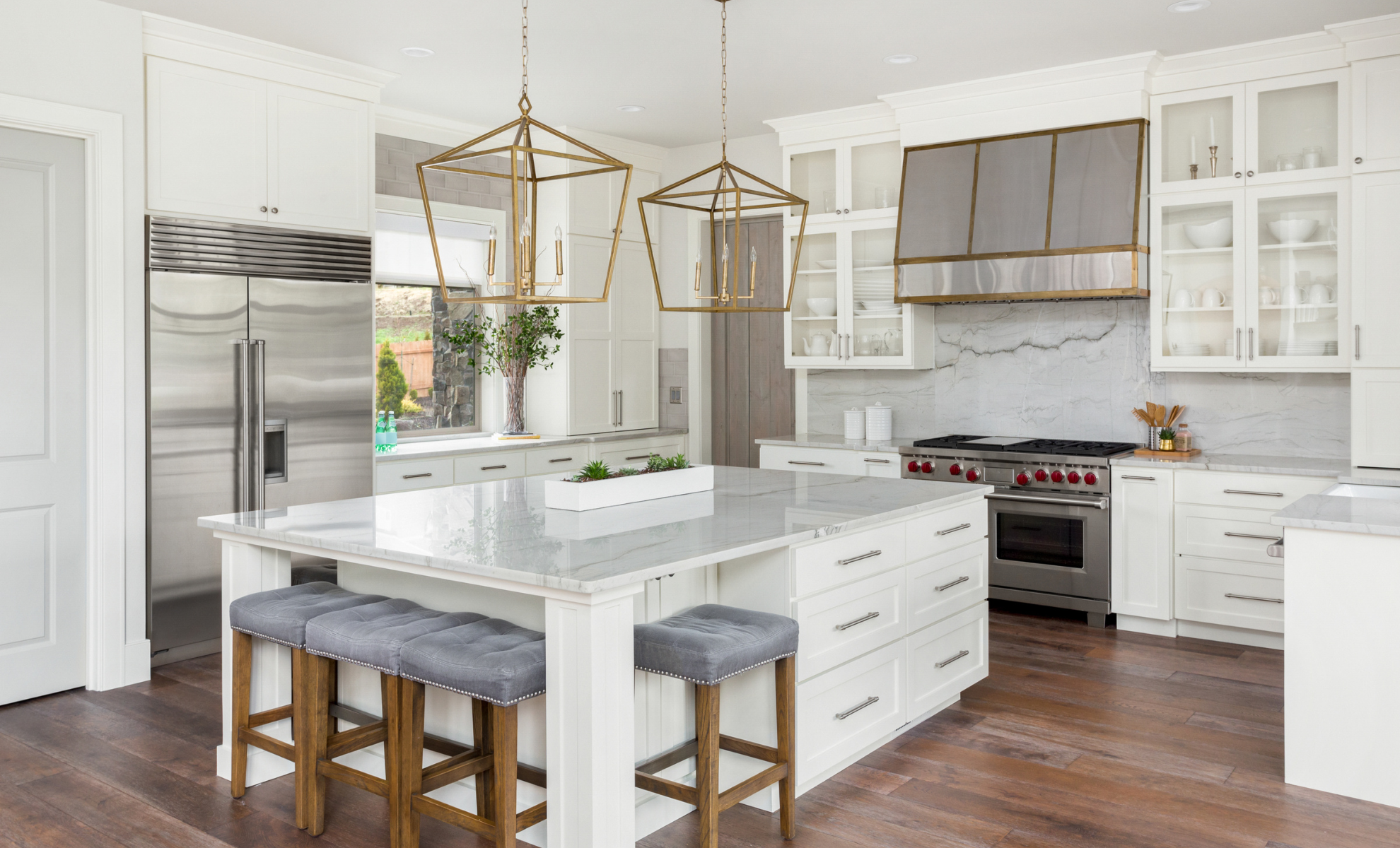
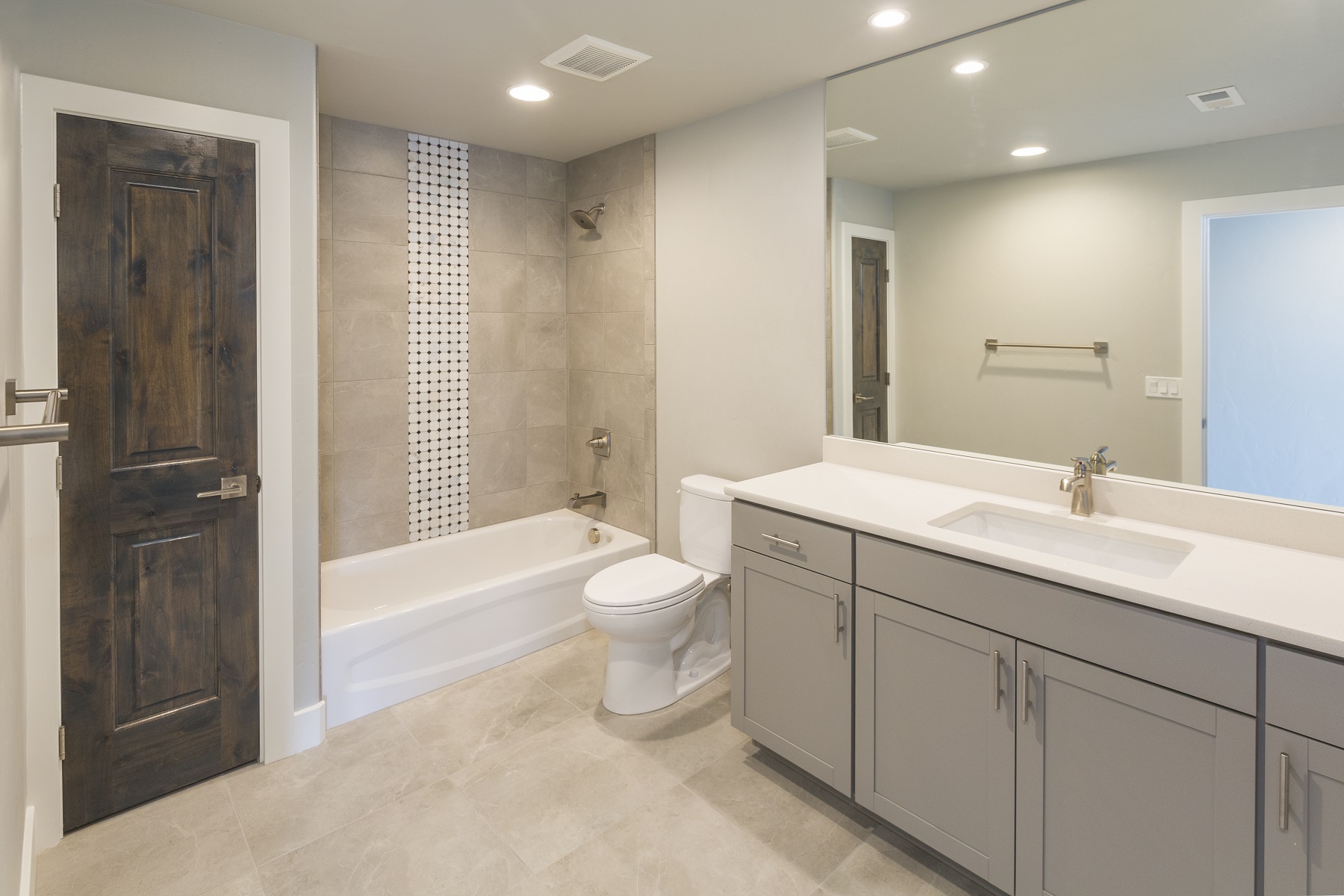
The thing is, tackling a basement project feels different than other home improvements. Unlike kitchen and bath remodeling, where you’re updating existing rooms, you’re essentially creating livable space from scratch. That comes with its own set of challenges and decisions. Here are some solid tips that’ll help you navigate the process and end up with a basement you’re actually proud to show off.
Start With a Realistic Assessment of Your Space
Before you get excited about design ideas, take a hard look at what you’re actually working with. Not every basement is ready for a transformation right out of the gate.
Check These Critical Areas First
- Moisture and water damage: Walk around after a heavy rain and look for water stains, dampness, or musty smells. Even minor moisture problems need fixing before you do anything else.
- Ceiling height: If you’re dealing with less than seven feet of clearance, your options become more limited. You can still finish a basement with low ceilings, but you’ll need creative design choices.
- Foundation condition: Inspect walls and floors for cracks or structural concerns. Sometimes what looks like a simple cosmetic project turns into a basement gut and rebuild once you start peeling back layers.
Better to know upfront what you’re dealing with than to discover problems mid-project.
Address Water and Moisture Control First
This can’t be stressed enough. Water is your biggest enemy when renovating a basement. Skip this step, and you’ll regret it later.
Install or improve your drainage system if needed. Interior and exterior waterproofing methods both have their place depending on your specific situation. A sump pump might be necessary if your area is prone to flooding or has a high water table.
Dehumidifiers become your best friend in finished lower levels. Even if you don’t have active leaks, basements naturally hold more moisture than upper floors. Keep humidity levels below 50% to prevent mold growth and keep the space comfortable.
According to Angi, proper moisture control is the foundation of any successful basement renovation and should account for a significant portion of your planning and budget.
Plan Your Basement Remodeling Layout Around Function
Now comes the fun part. What do you actually want this space to become? Your answer shapes everything from electrical needs to flooring choices.
Popular Basement Layout Options
- Family rooms and entertainment spaces: Casual hangout spots that don’t interfere with main living areas upstairs
- Home offices: Quiet workspace separated from household activity
- Guest suites: Bedrooms with bathrooms that add serious value (remember egress requirements)
- Specialty rooms: Home gyms, craft rooms, kids’ playrooms, or home theaters
Think about how the space connects to the rest of your house. Easy access matters more than you’d think for spaces you’ll use daily.
Get Your Permits and Meet Code Requirements
Nothing kills momentum like having to redo work because you skipped the permit process. Different areas have different rules, but most require permits for electrical, plumbing, and structural work.
Egress windows aren’t optional if you’re creating bedrooms. Fire codes require specific sizes and placement for these windows. They’re not cheap to install, but they’re non-negotiable for safety and legal reasons.
Ceiling height minimums, smoke detectors, carbon monoxide alarms, and proper ventilation all fall under code requirements. Work with your local building department early in the basement remodeling process. They can tell you exactly what you need to do to pass inspection.
Choose Flooring That Handles Basement Conditions
Your flooring choice needs to stand up to higher moisture levels without warping, molding, or feeling cold and unwelcoming underfoot.
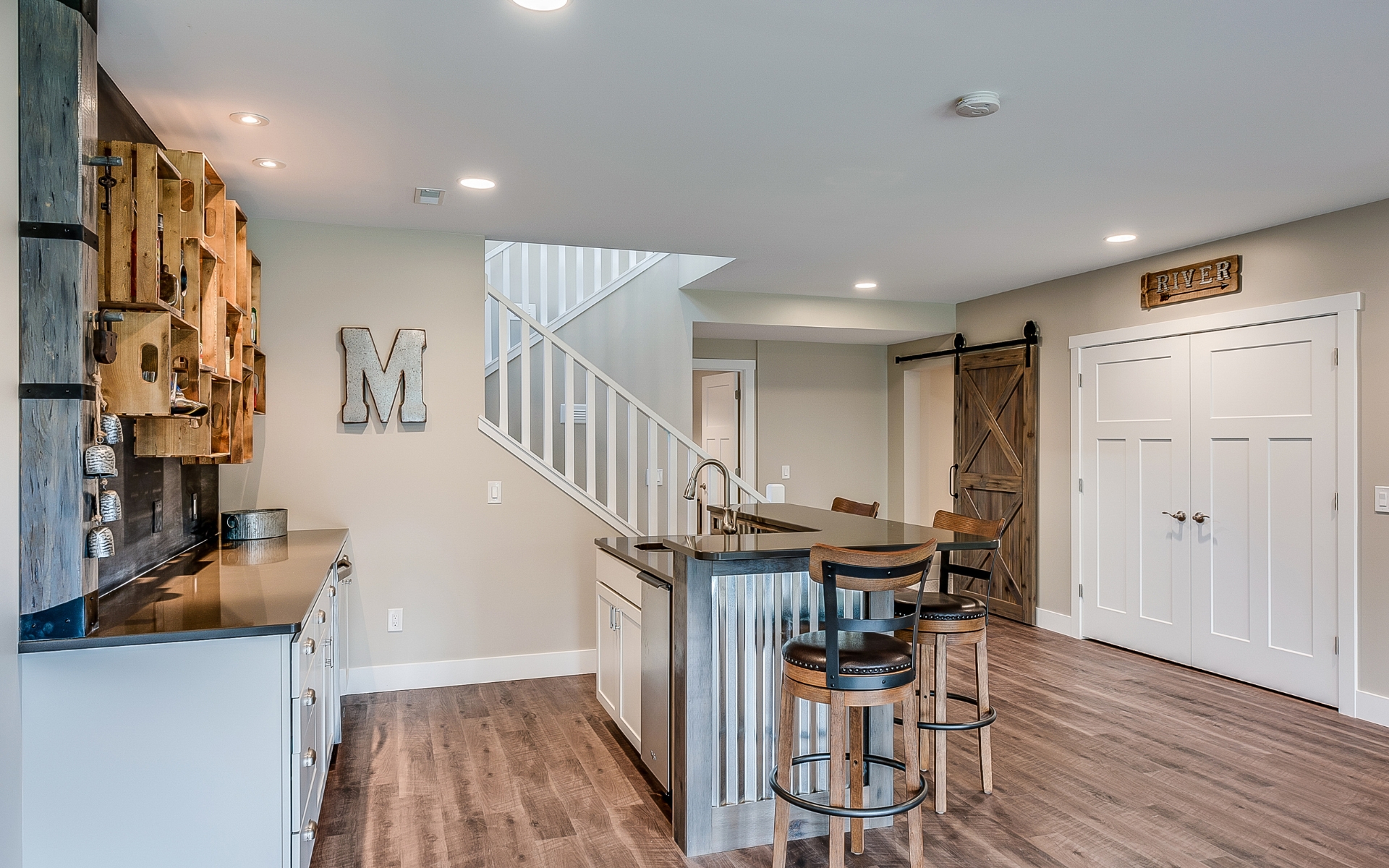
- Luxury vinyl plank (LVP) has become incredibly popular for basements. It looks like wood, feels warmer than tile, and handles moisture beautifully. Plus, it’s relatively easy to install if you’re tackling a DIY basement remodel.
- Tile works great too, especially in bathrooms or wet bar areas. It’s completely waterproof and durable. Pair it with radiant floor heating, and you solve the cold floor problem at the same time.
- Carpet can work in dry basements, but choose carefully. Go with carpet tiles instead of a wall-to-wall installation. If you ever have water intrusion, you can pull up and replace just the affected sections instead of the entire floor.
Avoid hardwood and laminate in basements. Both are too sensitive to moisture and temperature fluctuations. Even engineered wood can have problems in below-grade spaces.
Maximize Natural Light and Add Strategic Lighting
Basements have a reputation for feeling dark and cave-like. Your lighting strategy makes or breaks the finished feel of the space.
Enlarge existing windows where possible. Even going from a small window to a slightly larger one brings in noticeably more daylight. If you’re adding egress windows for bedrooms, position them to maximize natural light.
Install plenty of recessed lighting throughout the space. Layer in task lighting for specific areas like reading nooks or workstations. Don’t rely on a single overhead fixture to light the entire basement.
Use light paint colors on walls and ceilings. White or light gray helps reflect whatever natural and artificial light you have. Dark colors might look dramatic, but they make the space feel smaller and gloomier.
According to HGTV, incorporating multiple light sources at different heights creates depth and makes basement spaces feel more like upstairs living areas.
Work Around Mechanicals and Utilities Creatively
Your furnace, water heater, electrical panel, and plumbing probably live in the basement. You can’t move most of these systems, so work with what you’ve got.
Build utility closets or partition off mechanical areas instead of leaving everything exposed. A simple wall with an access door keeps equipment out of sight while maintaining necessary access for maintenance and repairs.
If you’re stuck with exposed pipes or ductwork, consider painting them. A coat of black or dark gray paint makes them blend into the ceiling better than leaving them their original color. Some people embrace the industrial look and incorporate exposed mechanicals into the design intentionally.
Box in support posts rather than trying to remove them. Turning columns into decorative elements costs less than structural changes and can actually add character to the space.
Insulate Properly for Comfort and Energy Efficiency
Good insulation makes your basement remodel more comfortable year-round and cuts heating and cooling costs. Insulate exterior foundation walls with rigid foam or spray foam insulation. This keeps the space warmer in winter and prevents condensation issues. Insulated walls also help with soundproofing between the basement and upstairs.
Don’t forget the rim joists where your first floor meets the foundation. These areas leak a ton of heat if left uninsulated. Spray foam works particularly well in these tight spaces.
If your basement stays naturally cool in summer, you might not need as much cooling capacity. But heating matters everywhere. Extend your HVAC system properly or add supplemental heating to keep the space comfortable.
Consider Built-In Storage Solutions
One of the best basement remodeling tips is to plan storage into your design from the start. You’re losing the storage you currently have down there, so replace it intentionally.
Built-in shelving along one wall stores books, games, or display items without eating up floor space. Under-stair storage captures otherwise wasted square footage. Custom cabinets or closets keep seasonal items and household supplies organized.
Window seats with lift-up tops combine seating with hidden storage. Storage ottomans and furniture with built-in compartments maintain the finished look while providing practical storage solutions.
Budget Realistically and Plan for Surprises
Basement remodeling cost varies wildly depending on the scope of your project, but surprises happen frequently when you start opening walls and pulling up floors. Set aside 15-20% of your budget for unexpected issues. Old wiring that needs updating, plumbing problems, additional structural support, or mold remediation can all pop up mid-project.
Prioritize your must-haves versus nice-to-haves. If money gets tight, you can always add the wet bar or fancy lighting later. Focus your budget on the structural, mechanical, and safety elements first.
Get multiple quotes from contractors before committing. Prices can vary significantly for the same scope of work. Just make sure you’re comparing apples to apples when evaluating bids.
Think About Bathroom and Plumbing Additions
Adding a bathroom in your basement renovation increases functionality and home value, but it’s one of the pricier upgrades. If you have existing plumbing rough-ins from when the house was built, you’re ahead of the game. Adding plumbing from scratch costs more because you might need a sewage ejector pump if your basement sits below the main sewer line.
Even a simple half-bath (toilet and sink) makes a huge difference. Full bathrooms with showers become necessary if you’re creating a guest suite or rental unit.
Consider a wet bar or kitchenette for entertainment spaces. Having a sink, small fridge, and counter space means fewer trips upstairs during gatherings or movie nights.
Create the Right Atmosphere With Finishes and Decor
Your finish choices set the tone for how the space feels. Basements can support almost any style if you commit to it.
Drywall gives you the most flexibility for paint colors and hanging artwork. Exposed ceiling joists painted one color create an industrial-modern vibe. Wood paneling or board-and-batten walls add warmth and texture.
Ceiling treatments matter more in basements because they’re often lower. Painted ceilings in a light color help them recede visually. Drop ceilings make sense if you need easy access to utilities, but they can feel dated. Exposed ceilings with painted joists and ductwork offer a more contemporary look.
Bring in rugs, throw pillows, and comfortable furniture just like you would in any other room. The goal is to make the space feel like an intentional part of your home, not an afterthought tucked away downstairs.
Declutter Before, During, and After Construction
Here’s a practical tip that saves headaches: declutter your basement before starting any remodeling a basement project. Moving everything out gives you a fresh start and prevents you from finishing the space only to fill it with the same junk you had before.
Sort through boxes as you empty the space. Donate, sell, or trash things you don’t actually need. You’ll be amazed at how much accumulates down there over the years.
Once the space is finished, maintain it like any other room in your house. Don’t let it become a storage dumping ground again. The whole point of this project was to create a usable living space.
Maintain Your Finished Basement Properly
After all the work of revamping your lower level, a little ongoing maintenance protects your investment. Keep that dehumidifier running year-round. Empty it regularly or set up a drain hose so it runs automatically. Monitor for any signs of moisture or water intrusion, especially after heavy rains.
Test sump pumps seasonally to make sure they’re working properly. Clean out gutters and make sure downspouts direct water away from your foundation. These simple exterior maintenance tasks prevent interior problems.
Vacuum or sweep regularly. Basements tend to accumulate dust more quickly than other areas. Keep air vents clean and change HVAC filters on schedule to maintain good air quality.
Plan Basement Remodeling With Professional Help
Looking for inspiration for your own makeover? Check out Mega Kitchen and Bath‘s portfolio of remodeled basements to see the transformation possibilities. Every project is different, and we love helping homeowners discover creative solutions for their unique spaces. Contact us today for a free consultation. Let’s talk about your vision and explore the basement remodeling tips that’ll work best for your home. Together, we’ll create a finished lower level that adds real value and enjoyment to your everyday life.