

Thinking about transforming your kitchen? Homeowners across the country are turning outdated cooking spaces into beautiful, functional rooms that match their lifestyle. But jumping into a kitchen remodeling project without a solid strategy can lead to blown budgets, missed deadlines, and disappointing results.
Let’s walk through everything you need to know about planning a complete kitchen renovation that actually works.
Why Planning Makes or Breaks Your Kitchen Project
Here’s what happens when you skip the planning phase: you’ll face unexpected costs, design conflicts, and contractor delays that drag on for months. A full kitchen remodel requires careful coordination between multiple trades, material orders, and design decisions.
Think of your renovation like building a house. You wouldn’t start construction without blueprints, right? The same logic applies here. Taking time upfront to map out every detail saves you headaches (and money) down the road.
Setting Clear Goals For Renovating Your Kitchen
Before you browse inspiration photos or visit showrooms, sit down and define what you actually want. Are you looking to increase home value? Create more storage? Improve workflow for a growing family?
Write down your priorities. Maybe you need better traffic flow between the stove, sink, and refrigerator. Or perhaps extra counter space for meal prep would solve your daily frustrations. An open layout that connects to your dining area might be what transforms how your family interacts. Updated fixtures that reduce energy bills could pay for themselves over time.
Once you know your “why,” every other decision becomes easier. You’ll avoid getting distracted by trendy features that don’t serve your actual needs.
Choosing a Kitchen Remodeling Style
Your style preference shapes everything from cabinet selections to lighting fixtures. A modern kitchen remodel typically features clean lines, minimalist hardware, and sleek finishes like stainless steel or matte black. Think flat-panel cabinets, hidden appliances, and neutral color palettes.
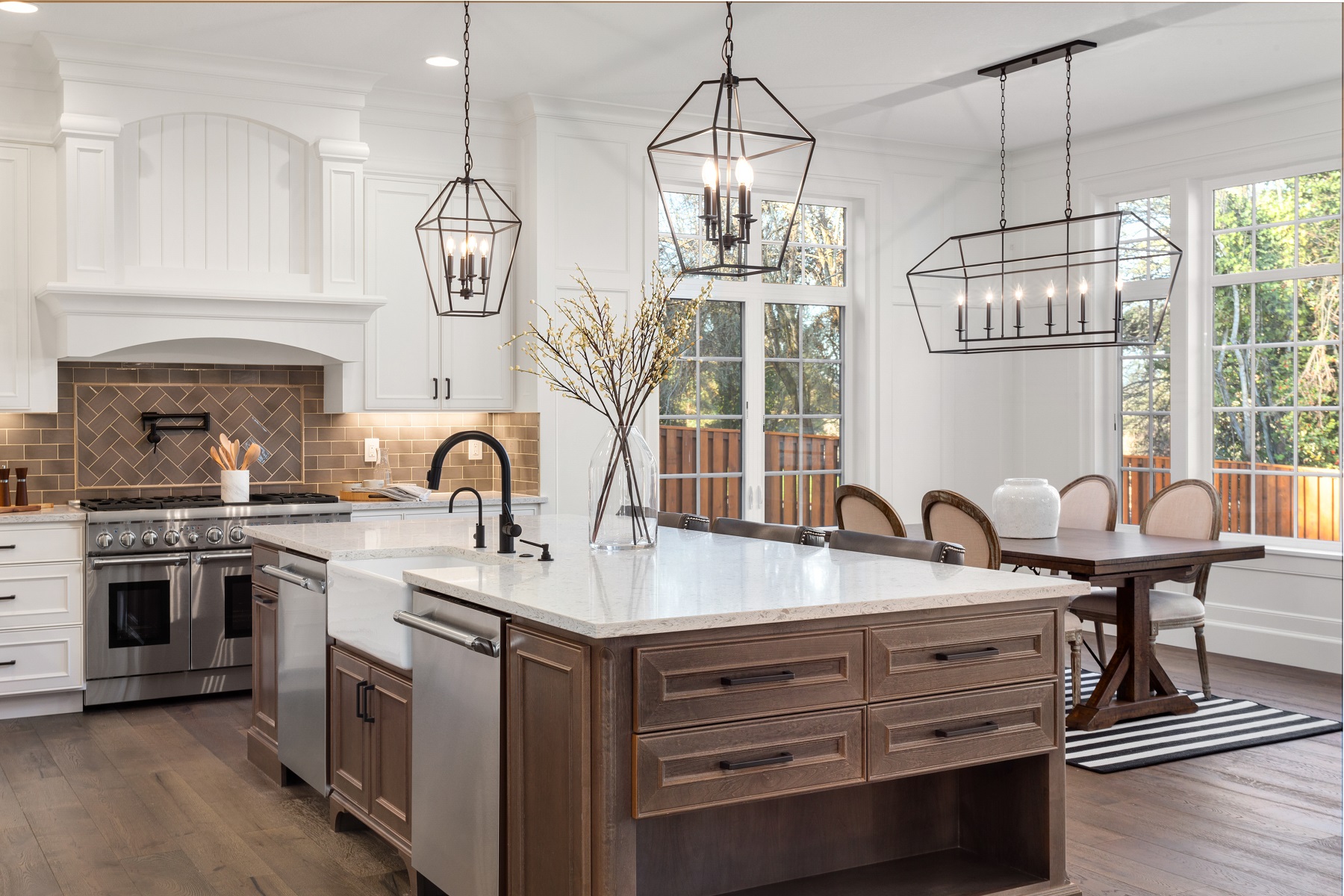
On the flip side, a traditional kitchen remodel embraces warmth through raised-panel cabinets, ornate details, and classic materials like marble or wood. These spaces often include decorative molding, vintage-inspired fixtures, and rich color schemes.
Neither approach is “better.” It depends on your home’s architecture and personal taste. Just stay consistent. Mixing too many styles creates visual chaos instead of cohesion.
Creating Your Kitchen Design Blueprint
Now comes the fun part: bringing your vision to life on paper (or screen). Start by measuring your existing space down to the inch. Note where plumbing lines, electrical outlets, and windows currently sit.
Next, explore kitchen remodeling ideas that match your goals. Online platforms offer endless inspiration, but focus on layouts that work with your room’s dimensions. A galley kitchen operates differently from an L-shaped or U-shaped design.
Work with a kitchen designer or use a kitchen design planner tool to visualize different configurations. You want to test several arrangements before committing. Does the sink placement make sense? Will the refrigerator door swing open without hitting cabinets?
Creating a 3D kitchen model helps you spot problems before construction starts. You might realize the island blocks the walkway or the range feels too far from your prep area.
Establishing Your Kitchen Remodeling Budget
Let’s talk numbers. According to Houzz’s kitchen renovation trends report, the median spend for a major kitchen remodeling project ranges from $40,000 to $75,000, depending on your location and scope.
Your kitchen remodeling budget should account for labor costs (usually 20-35% of total budget), cabinets and hardware (often the biggest expense), countertops and backsplash materials, appliances and fixtures, flooring installation, permits and inspection fees, plus a 10-20% contingency fund for surprises.
Don’t forget hidden costs like temporary lodging if you can’t cook at home, storage rentals for your belongings, or eating out during construction.
Break down your spending by priority. If the best kitchen design ideas for your space include a statement island, allocate more funds there and save elsewhere. Maybe you choose laminate counters now and upgrade to quartz later.
Finding the Right Remodeling Contractors
Your contractor choice affects everything. A skilled team delivers quality work on schedule. A problematic crew creates endless frustration.
Start by getting at least three detailed quotes. Compare not just price, but also years of experience with kitchen remodeling specifically, licensing and insurance verification, references from recent projects, communication style and responsiveness, and warranty coverage.
Ask tough questions during interviews. How do they handle unexpected issues? Who manages the job site daily? What’s their typical timeline for similar projects?
Read contracts carefully before signing. Everything should be in writing: materials, labor, payment schedule, start and completion dates. Never pay the full amount up front.
Selecting Materials That Balance Style and Function
Your material choices impact both aesthetics and durability. Let’s break down the key elements.
Kitchen Cabinets
These dominate your visual space and budget. Solid wood offers longevity but costs more. Plywood with veneer provides a middle ground. Particleboard with laminate keeps costs down but won’t last as long.
Consider cabinet depth, hardware style, and interior organization systems. Soft-close hinges and pull-out shelves add convenience worth the extra investment.
New Kitchen Countertop Options
Quartz leads in popularity for good reason: it’s durable, low-maintenance, and comes in countless colors. Granite delivers natural beauty with unique patterns. Butcher block adds warmth but requires regular sealing.
Your choice depends on your cooking habits. If you bake frequently, a marble section for rolling dough makes sense. Heavy pot users need heat-resistant surfaces.
Kitchen Flooring
Water resistance matters most in this high-traffic area. Luxury vinyl plank mimics wood at a fraction of the cost. Porcelain tile handles spills and scratches. Hardwood looks stunning but requires more upkeep.
Factor in comfort, too. Standing for hours while cooking is easier on cushioned surfaces than on hard stone.
New Backsplash Design
This feature protects new kitchen walls while adding personality. Subway tiles never go out of style. Glass tiles reflect light in smaller spaces. Natural stone creates texture and depth.
Installation runs from simple DIY projects to complex mosaic patterns requiring professional skills. Balance your design ambitions with reality.
Preparing for the Demolition Phase
Once contracts are signed and materials ordered, the real work begins. But first, you need to prepare your home.
Set up a temporary kitchen in another room: maybe your garage or basement. Include a microwave, mini-fridge, coffee maker, and paper goods. You’ll survive on sandwiches and takeout for a while.
Empty all kitchen cabinets and drawers. Remove items from walls. Cover adjacent rooms with plastic sheeting to contain dust. If possible, close off the construction zone completely.
The kitchen demolition stage gets messy fast. Crews will tear out old cabinets, counters, and flooring. They might need to open walls for plumbing or electrical work. This phase typically takes 1-3 days, depending on project scope.
Expect noise, dust, and disruption. Communicate with your contractor about work hours and where to access water or power during construction.
Managing the Construction Timeline
A typical kitchen remodeling project takes 6-12 weeks from start to finish. The sequence usually follows this pattern:
First comes demolition and structural changes (1-2 weeks). Then, rough plumbing and electrical work get done (1 week). After that, drywall repair and painting happen (1 week). Next is flooring installation (3-5 days). Then cabinet installation takes place (1 week). Following that, countertop templating and installation occur (1-2 weeks). After counters are in, backsplash installation wraps up (2-3 days). Then appliance delivery and hookup are completed (1-2 days). Finally, final touches and inspection finish things off (2-3 days).
These timeframes overlap somewhat. While waiting for custom countertops, crews might install backsplash or paint trim.
Delays happen. Shipping issues, weather, or unexpected structural problems can push timelines back. Stay flexible and maintain open communication with your team.
Avoiding Common Kitchen Remodeling Mistakes
Even well-planned projects hit snags. Here are pitfalls to watch for.
- Inadequate lighting is a big one. Don’t rely on a single overhead fixture. Layer in under-cabinet lights, pendant fixtures, and task lighting in work areas.
- Poor ventilation causes problems, too. Cooking creates heat, moisture, and odors. A properly sized range hood vented outside makes a huge difference.
- Insufficient storage leaves you frustrated. You probably need more cabinet space than you think. Maximize vertical space with tall cabinets and use organizers inside.
- Ignoring workflow is another mistake. Beauty means nothing if you can’t cook efficiently. Test your layout mentally by “preparing” an imaginary meal.
- Cutting corners on quality always backfires. Cheap faucets leak. Flimsy hinges break. Budget fixtures cost more long-term through replacements and repairs.
Finalizing Your Project
As construction wraps up, do a thorough walkthrough before making the final payment. Test every appliance, open every drawer, run all faucets. Check that grout is sealed, caulk lines are clean, and surfaces are damage-free.
Expect a few punch-list items. Maybe a cabinet door needs adjustment, or paint touch-ups are required. Give your remodeling contractors a reasonable time to address these details.
Once everything checks out, you’re ready to enjoy your new space. Take photos to document the transformation and leave an honest review to help future homeowners.
Make Your Kitchen Dreams Happen
Renovating your kitchen ranks among the most rewarding home improvements you can make. With proper planning, realistic budgets, and the right team, you’ll create a space that works for your lifestyle.
Here at Mega Kitchen and Bath, we specialize in turning renovation dreams into reality. Our experienced team handles every detail, from initial kitchen design through final installation. We offer a free consultation to discuss your vision, review your space, and provide transparent pricing.
Contact us today to schedule your consultation and take the first step toward the kitchen you’ve always wanted. Let’s create something beautiful together.