

Your shower should be more than just a place to wash up before work. It gets old fast to walk into a bathroom with outdated tiles and little water pressure. A lot of people realize their shower needs to be updated, but they keep putting it off because they think the job is too hard. The good news is that you don’t need a degree in design or a lot of money to conduct a nice remodel. If you follow the appropriate advice for a shower remodel, you can turn that old area into something you look forward to using every day.
When you have a clear plan to follow, home renovation projects often seem easier to handle. Kitchen and bathroom remodeling is one of the most popular types of home improvements since they have a direct effect on your comfort and the value of your property. That’s why we made this simple guide to help you through the whole process of upgrading your shower.
Why Upgrade Your Current Shower?
Your current shower tells a story through cracked tiles, outdated fixtures, and poor water pressure that create frustration every morning. By the way, older showers waste water and energy, while modern fixtures cut your utility bills and improve performance. A bathroom remodel starts with the shower because this space sees the most use in your home. The investment pays off through lower bills, better functionality, and increased home value when you decide to sell.
Planning Your Shower Remodel Budget
In most cases, a shower remodel costs between $3,000 and $10,000, depending on materials, labor, and design complexity. You should set aside 10-20% extra for unexpected issues that appear once walls come down. Old plumbing and hidden water damage often show up during demolition, requiring additional repairs. For example, standard tile work costs less than custom mosaic patterns, while a prefab unit saves money compared to a custom walk-in shower. Track every expense because small purchases for grout, caulk, and hardware add up faster than you expect.
Best Shower Remodel Ideas For Your Home
Shower remodel ideas fill magazines and websites, but you need to focus on what fits your space and lifestyle. According to Houzz, homeowners prefer larger showers with frameless glass doors in their renovation projects. The 2025 Bathroom Trends Study shows 68% of bathroom renovation projects include walk-in shower installations that eliminate tubs entirely. These design trends reflect what people want from their showers: more space, better visibility, and easier cleaning.
Walk-In Shower Remodel Designs
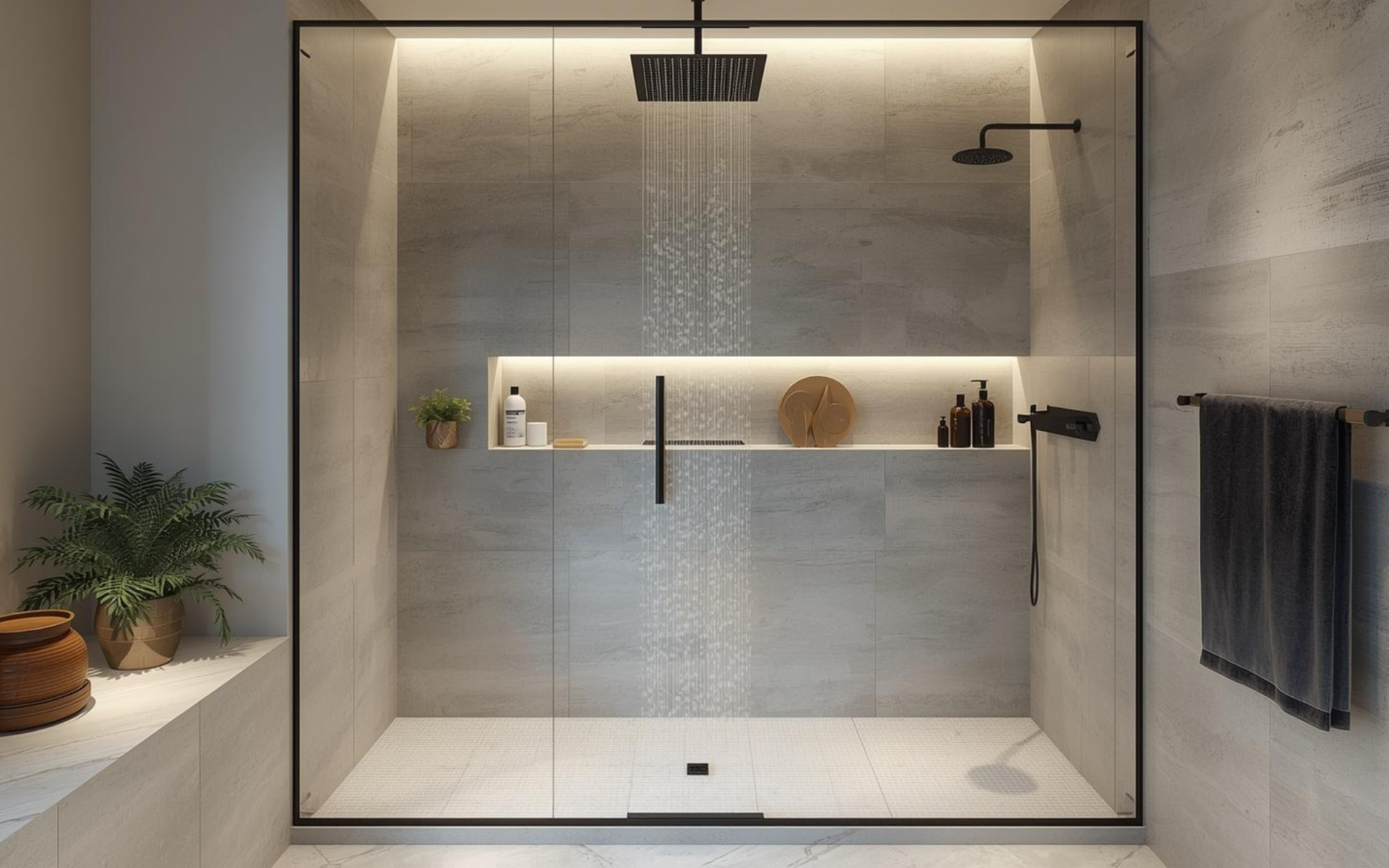
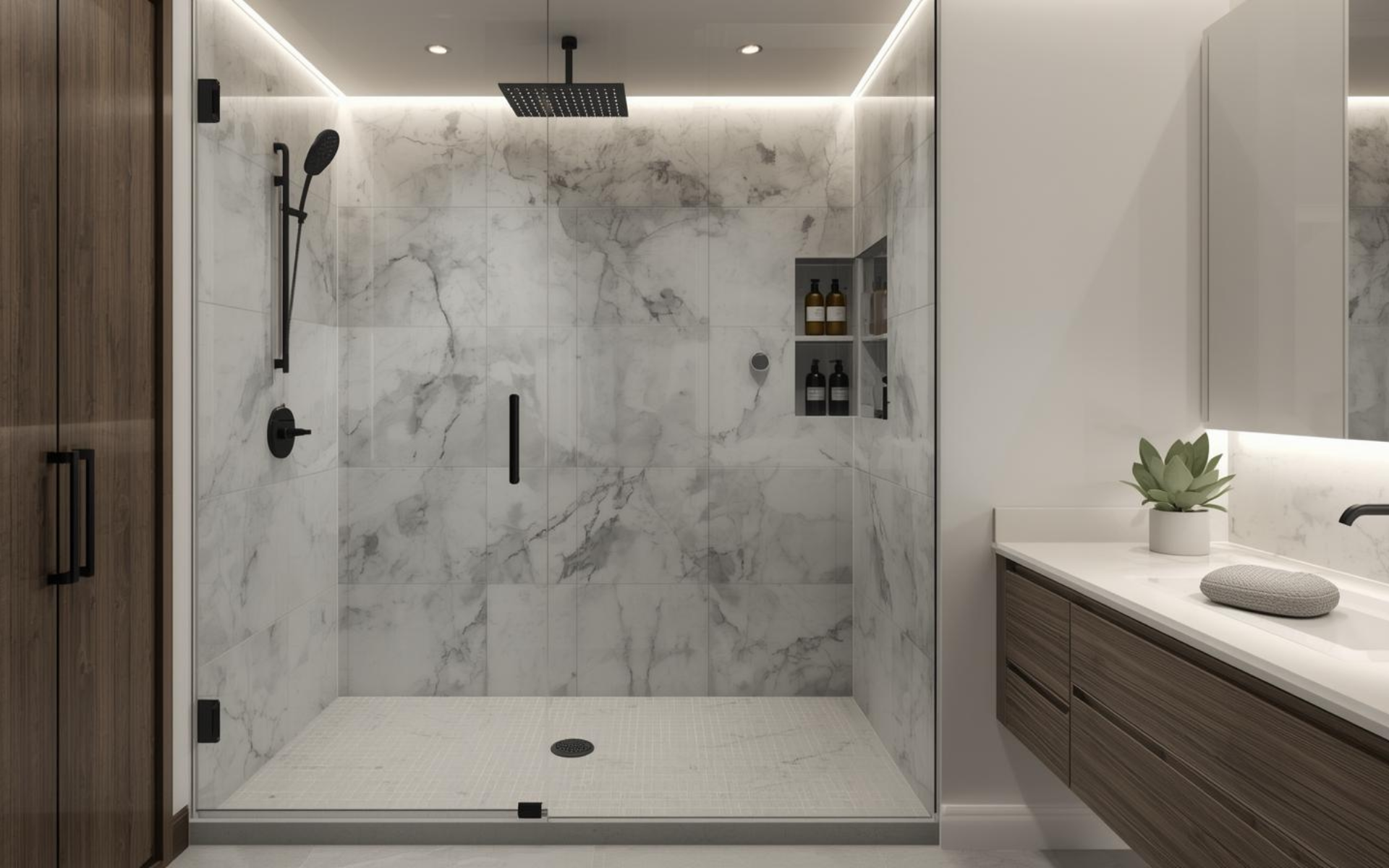
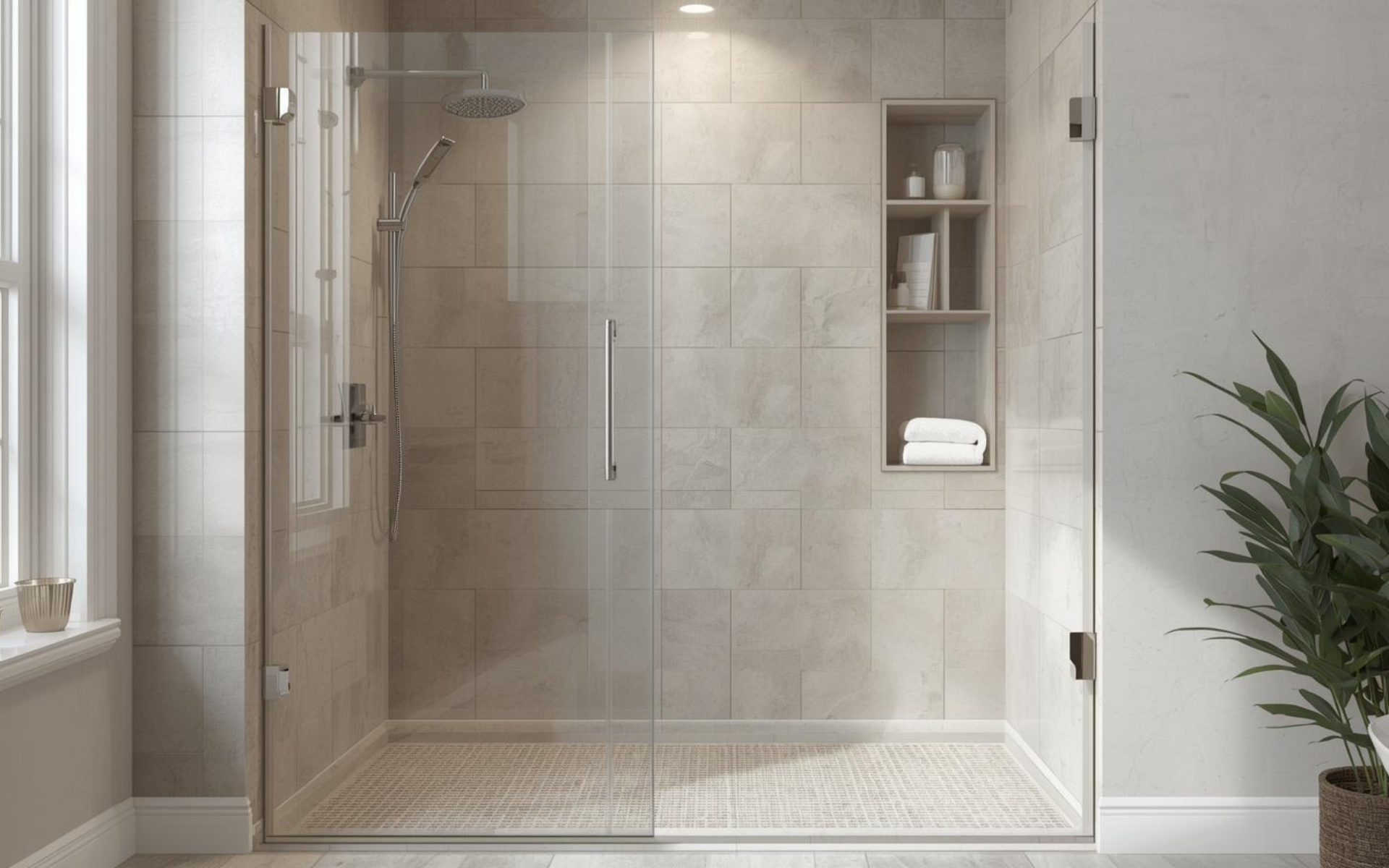
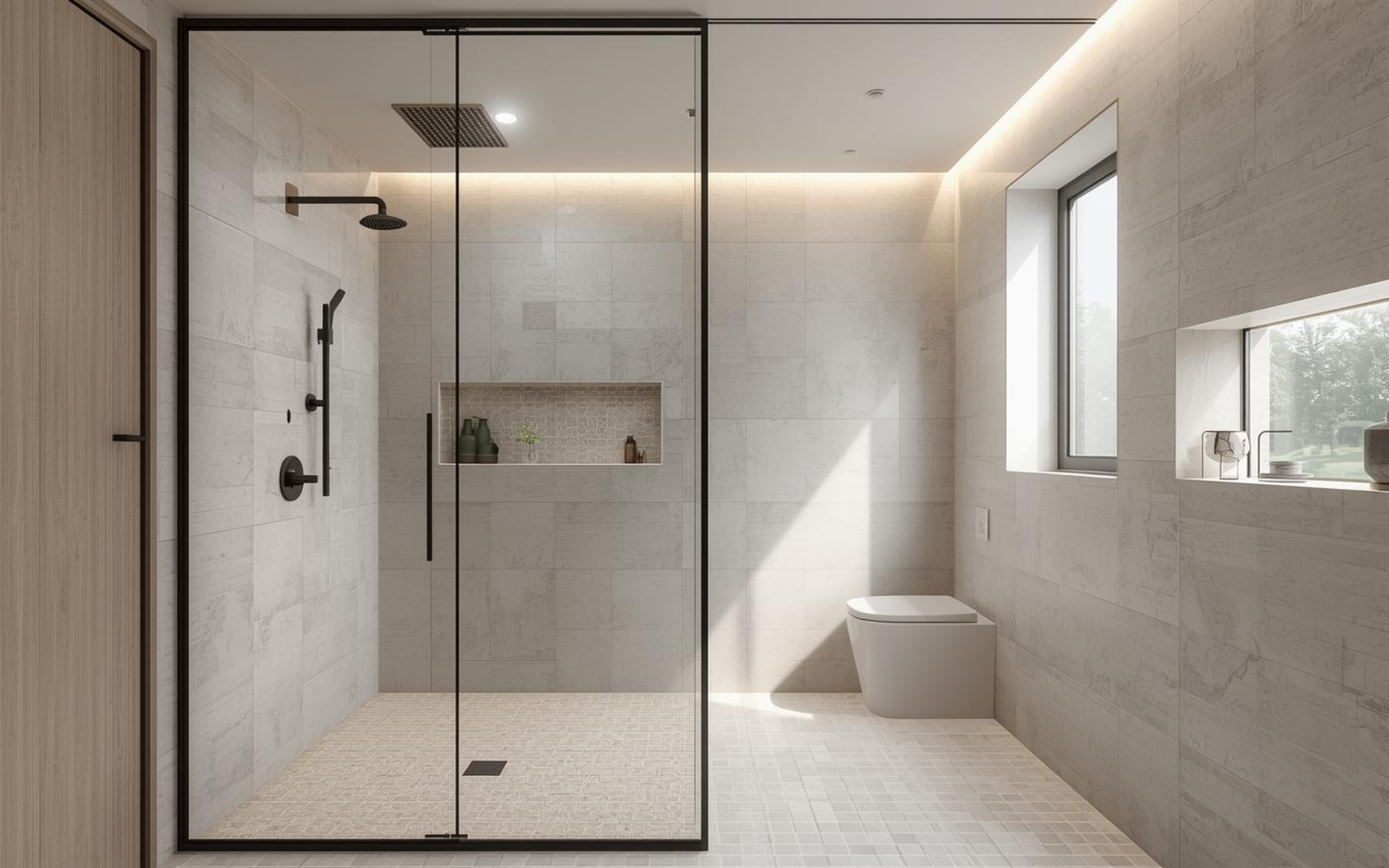
Walk-in showers create an open feel by eliminating the tub and gaining valuable floor space. This approach works especially well in smaller bathrooms where every square foot matters. Frameless glass enclosures make the space feel larger while reducing visual clutter. The curbless entry allows easy access for everyone and simplifies cleaning since you eliminate the ledge that traps dirt and soap scum.
Built-In Storage For Your Shower
Built-in niches store shampoo and soap without cluttering ledges or requiring hanging caddies that rust over time. Place these storage niches at chest height for easy reach while showering. Bench seating adds comfort and safety by giving you a place to sit while shaving or relaxing under warm water. Corner shelves maximize unused space without taking up valuable wall area.
Luxury Shower Features
Multiple showerheads deliver a spa experience that makes your morning routine feel luxurious. The new generation of showerheads includes rain heads, body sprays, and handheld showers that target specific areas. In fact, HGTV reports that dual showerhead systems rank among the top requests in shower renovations for 2025. You control water flow and temperature independently for each fixture. Steam setups turn your shower into a home spa retreat where you relax muscles and clear sinuses after long workdays.
Choosing The Right Materials
Your shower remodeling project depends on the materials you choose because bad decisions can result in mold growth, leaks, and costly future repairs. The decisions you make will determine how long your shower lasts and how much time you spend cleaning it over the years.
- Porcelain and ceramic tiles: These remain the go-to choice for walls and floors because they handle water exposure well and last for decades with minimal fuss. You’ll find endless color and pattern options at different price points to match whatever design vision you have in mind.
- Natural stone: Marble and granite give you that high-end spa look, but they need more attention and regular sealing to prevent staining. These materials cost more upfront and require ongoing maintenance to keep looking their best over time.
- Glass blocks and acrylic panels: These alternatives go up faster and cost less than traditional tile work while still getting the job done. You get waterproof surfaces that wipe clean easily and stand up to the humid conditions in your bathroom.
- Prefabricated shower pans: These come ready to install with built-in slopes that drain water properly without extra work. The factory-controlled quality means you get reliable waterproofing as long as your installer follows the directions.
- Custom tile pans: These let you create unique shapes and sizes that fit your exact space, but they need an experienced installer to avoid leaks. You get exactly the shower footprint you’re after, though you’ll pay more for the labor and materials involved.
- Epoxy grout: This stuff fights off stains and mold better than the traditional cement-based grout most people use. You’ll spend a bit more upfront, but you’ll save money later on cleaning products and avoid regrouting projects.
- Silicone caulk: This creates flexible waterproof seals around your fixtures and where walls meet the shower pan. Plan to replace caulk every few years to keep water where it belongs and prevent moisture from causing damage behind your walls.

Fixtures And Hardware That Last
Quality fixtures make redoing your shower worthwhile by providing years of reliable performance without constant repairs. Look for solid brass construction in faucets and valves because cheaper materials corrode and fail prematurely. Thermostatic valves maintain consistent water temperature even when someone flushes a toilet or starts the washing machine elsewhere in your home. Pressure-balancing valves prevent dangerous temperature spikes that scald skin. These safety features matter especially if you have young children or elderly family members using the shower.
Choosing Durable Finishes
Finish choices affect both appearance and maintenance requirements for your shower hardware. Chrome finishes resist corrosion and clean easily with basic bathroom cleaners. Brushed nickel hides water spots better than polished chrome while oil-rubbed bronze creates a traditional look that complements rustic or vintage bathroom styles. Match all fixtures to the same finish for a cohesive design that looks intentional rather than thrown together.
Working With Your Existing Shower Layout
You face a choice between working within your existing shower footprint or expanding the space through structural changes. Keeping the same plumbing locations saves thousands of dollars in labor and materials since you avoid moving water lines and drains. This approach works well when you want updated finishes and fixtures without major construction. Expanding your shower requires moving walls, relocating plumbing, and obtaining permits from your local building department.
Consider your home layout before making structural changes. Moving a wall affects adjacent rooms and might require relocating electrical outlets, light switches, or heating vents. Load-bearing walls need engineer approval and proper support beams before removal. Your contractor should inspect the space and explain which changes make sense for your budget and timeline.
Ventilation And Lighting
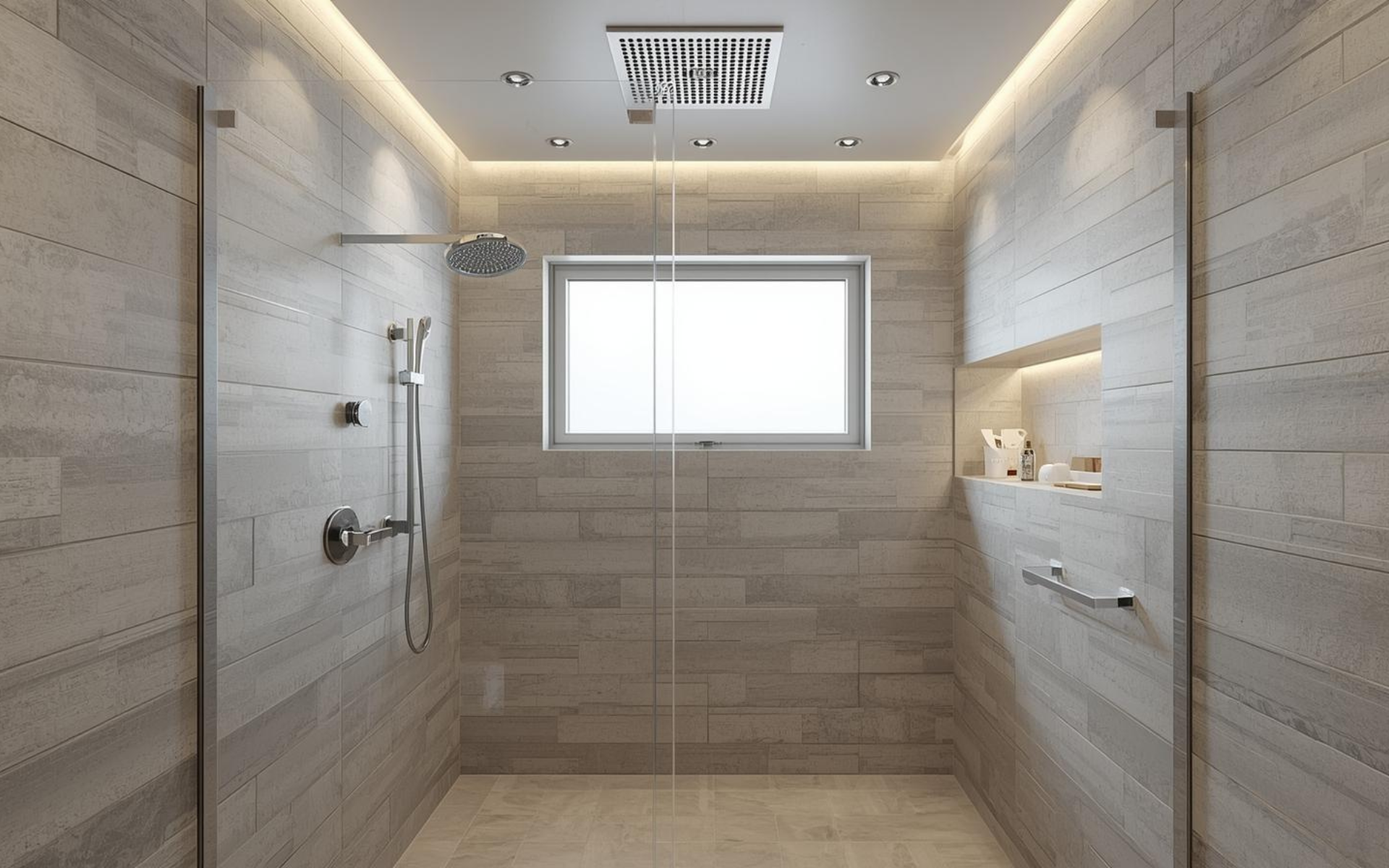
Proper ventilation prevents mold growth and extends the life of your shower remodel by removing excess moisture from the bathroom. Install an exhaust fan rated for your bathroom size that moves at least 50 cubic feet per minute for standard bathrooms. Larger bathrooms need more powerful fans, while enclosed shower stalls benefit from dedicated ventilation separate from the main bathroom fan. Run the fan during showers and for 20 minutes afterward to remove all moisture from the space.
Lighting transforms your shower from functional to enjoyable with the right placement and fixture selection. Recessed LED lights rated for wet locations provide bright, energy-efficient illumination that lasts for years without bulb changes. Install lights directly over the shower area rather than relying solely on general bathroom lighting. Dimmer switches let you adjust brightness for relaxing evening showers versus bright morning wake-ups.
Permits And Building Codes
To make sure the work follows safety standards, bathroom renovation projects need permits from your local building department. Moving plumbing, electrical wiring, or structural walls always requires permits and inspections. Simple fixture replacements and cosmetic updates often proceed without permits, but you should check with your building department before starting work. Skipping required permits leads to fines, failed home inspections during sales, and liability issues if problems occur later.
Building codes specify minimum sizes, waterproofing requirements, and safety features for shower installations. Your shower needs a proper slope toward the drain to prevent standing water and potential leaks. Waterproof membranes behind tile protect your walls from moisture damage that grows mold and rots framing. Tempered glass prevents dangerous injuries if shower doors break during use.
Hiring The Right Contractor
Finding a qualified contractor for your shower remodeling project protects your investment and ensures quality results. Ask for references from recent shower renovation projects similar to yours in scope and budget. Check online reviews on multiple platforms rather than trusting a single source that might contain fake reviews. Verify licensing and insurance coverage before signing any contracts or making payments.
Get detailed written estimates from at least three contractors that break down labor and material costs separately. The lowest bid often means cutting corners or hidden fees that appear later in the project. Compare what each contractor includes in their estimate and ask questions about anything unclear. A good contractor explains their process, addresses your concerns, and provides realistic timelines for completion.
Timeline And Living Arrangements
A typical shower remodel takes one to three weeks, depending on project complexity and material availability. Simple fixture updates and re-tiling finish faster, while custom work with multiple features extends the timeline. Plan for delays caused by special-order materials, permit approvals, and unexpected issues discovered during demolition. Your contractor should provide a detailed schedule that outlines each phase of work.
You need alternative bathing arrangements during construction since your shower remains unusable throughout the project. Use a second bathroom in your home if available, or arrange to shower at a gym, friend’s house, or family member’s home. Some homeowners rent a short-term apartment or hotel room for major renovations that disrupt multiple bathrooms. Discuss the construction schedule with your contractor to minimize disruption to your daily routine.
Maintenance For Long-Term Performance
Your new shower requires regular maintenance to look good and function properly for years after installation. Squeegee glass doors after each shower to prevent water spots and soap scum buildup that becomes difficult to remove over time. Clean grout lines monthly with appropriate cleaners that remove mildew without damaging the grout itself. Reseal natural stone surfaces annually to protect against staining and moisture penetration.
Inspect caulk lines around your shower every six months and recaulk any areas that show gaps or separation. Water seeping behind caulk causes mold growth and structural damage that requires expensive repairs. Check for loose tiles or grout that needs repair before small problems become major issues. Replace worn washers in faucets at the first sign of dripping to prevent water waste and potential damage.
Start Your Shower Remodel Today
A well-planned shower remodel improves your daily life while adding value to your home. Start with a clear budget, choose quality materials, and hire experienced professionals who deliver results. Your new shower provides comfort, efficiency, and style for years to come.
Ready to transform your bathroom? Contact Mega Kitchen and Bath to discuss your shower renovation project. We serve homeowners throughout Maryland, including Bethesda, Rockville, Silver Spring, and the surrounding area, with professional shower remodeling services.